Classroom furniture
Desks, chairs and storage sized by age band, specified for daily institutional use and finished so marks wipe off rather than set in.

School furniture is judged in year four, not on delivery day. We specify and supply for the load a school actually puts on a room.

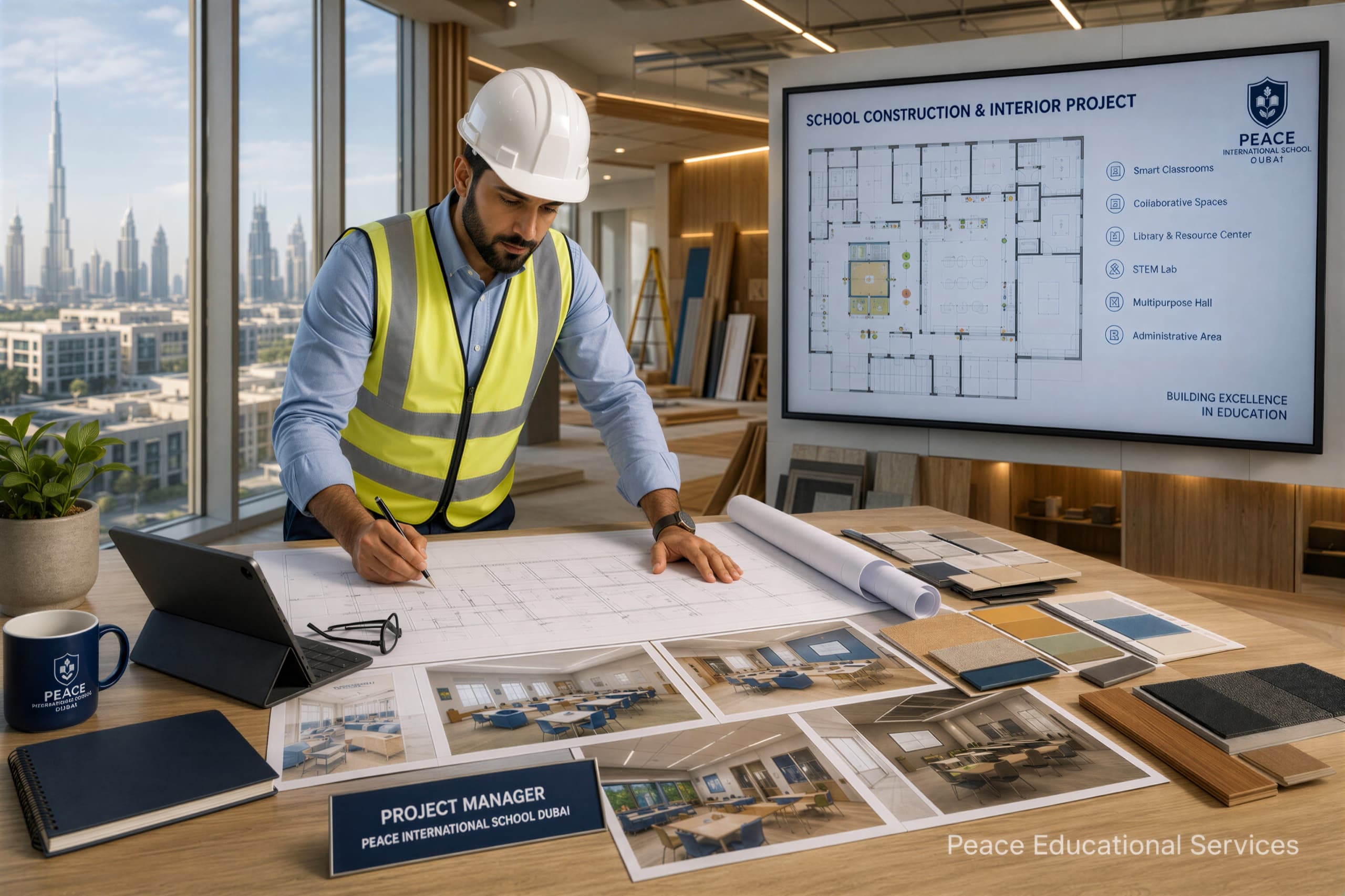
Furniture
The service
A classroom chair is sat on by roughly thirty different children a day, dragged across a floor, leaned back on, and cleaned with something industrial. Domestic-grade furniture in that setting fails quietly and then all at once. We specify to the use, not to the photograph in the catalogue.
Because we work with manufacturing partners in India and the UAE rather than reselling a fixed catalogue, sizes, finishes and configurations can be made to your rooms — including the awkward ones. Before anything is manufactured you see and sit on a sample.

Coverage
Seven strands of work, each one explained and pictured. Take the whole of it, or the one strand your school is short on.
Desks, chairs and storage sized by age band, specified for daily institutional use and finished so marks wipe off rather than set in.
Reception, administration and leadership offices — the rooms a visiting parent or inspector forms an opinion in.

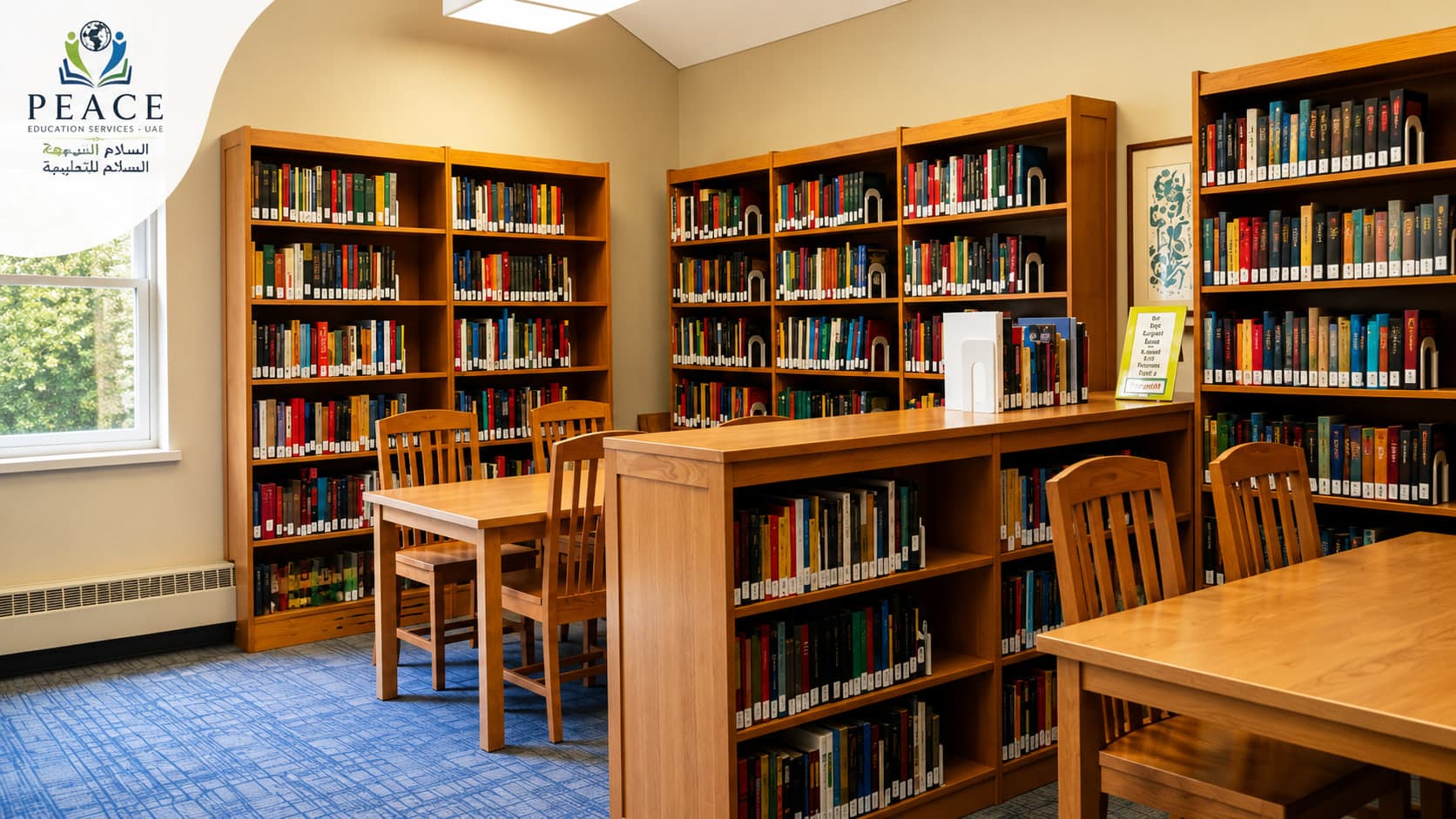
Shelving, browsing and reading furniture laid out for sightlines and supervision as well as for capacity.
Benching, service runs, fume provision and storage built to laboratory standards, coordinated with the equipment that will sit on them.

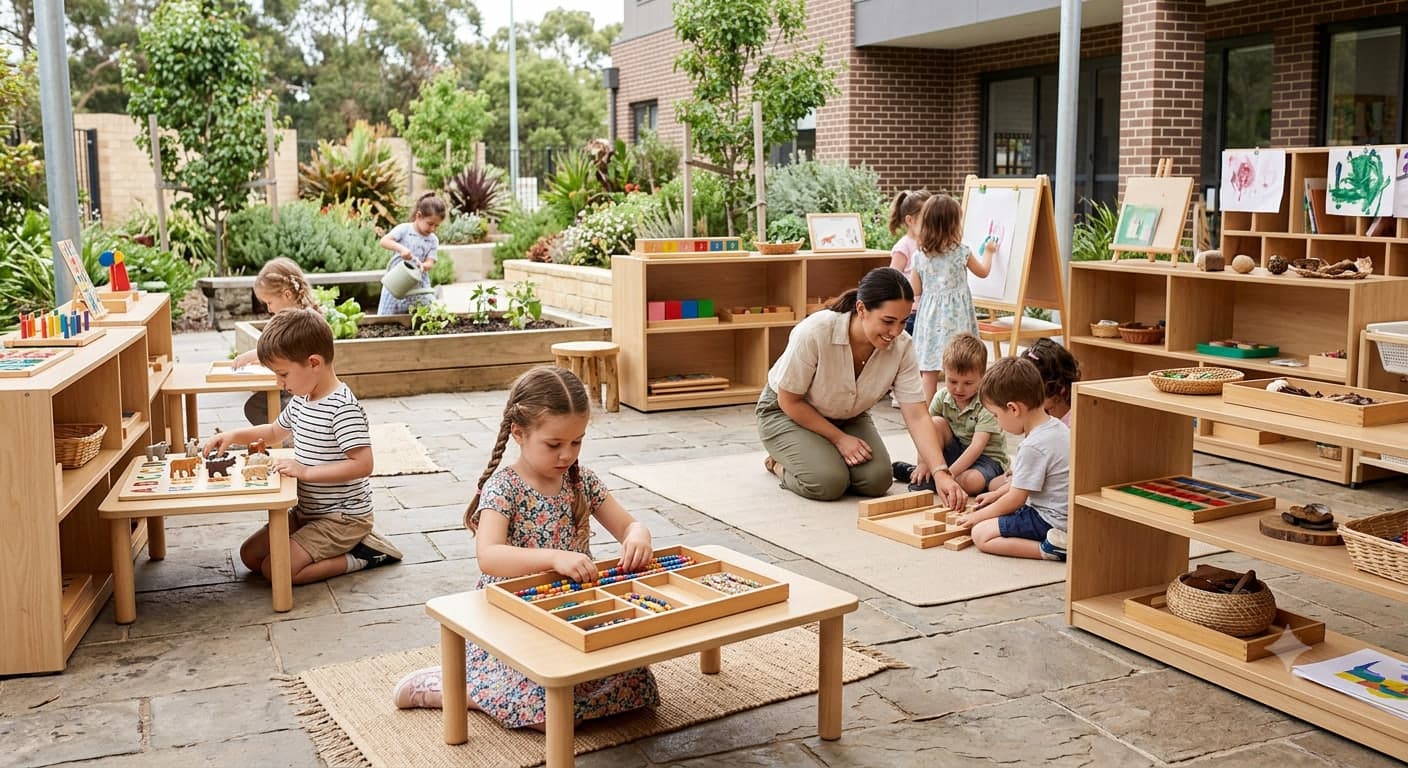
Art, music, early years and multipurpose rooms, where the furniture has to move and the storage decides whether the room works.

Shaded seating, outdoor teaching areas and play provision specified for Gulf heat and Gulf sun, not for a temperate catalogue.
Signage, lockers, staff rooms, corridors and the unglamorous fittings that decide how a building feels to move through.

Deliverables
Deliverables, not intentions. Each of these is a thing that exists at the end of the engagement and can be pointed at.
What goes in each space, in what quantity, at what size, with the specification written down.
The chair and the desk, in your building, before the order is placed.
Made to the approved specification by our manufacturing partners, shipped and cleared.
Placed, assembled and checked room by room against the schedule, before term.
Looking ahead
Fitting out a school is a spatial problem wearing a purchasing problem's clothes. The tools we are building let a school see the room — and argue with it — before anybody commits to a cutting list.
Layouts tested in three dimensions against sightlines, circulation and the class size the room actually has to carry, with the machine trying the variants nobody has time to draw.
What that looks like
Three layouts of the same science room, with the one that seats thirty-two safely marked and the reason given.
Digital fabrication for the pieces a catalogue cannot serve — an awkward alcove, a specialist room, a school's own colour — prototyped before a hundred units are cut.
What that looks like
A sample printed and checked in a week, so the mistake costs one piece rather than a classroom.
Furniture and equipment registered as it is installed, so what the school owns, where it is and what it cost stays a known quantity.
What that looks like
A term-end asset check the bursar finishes in an afternoon instead of a fortnight.
In development, and labelled that way deliberately. Ask where each of these stands when you enquire — we will tell you what is running, what is being built and what is still on the bench.
The route
The same five stations every project travels, applied to furniture.
Thirty benches or a whole building — you tell us the rooms and the ages that will use them.
An itemised quotation against a written specification, priced so you can compare it line by line with anyone else's.
Drawings, finishes and a physical sample you can sit on. Nothing goes to manufacture on a rendering.
The approved specification goes to our manufacturing partners in India and the UAE, with production checks along the way.
Delivered, installed and signed off room by room, on the date agreed at quotation.
Questions
Usually. Send us photographs and dimensions of the existing pieces and we will tell you honestly whether a match is achievable or whether you are better off replacing a whole room.
It depends on the item, the volume and the season, and we quote the lead time in writing with the price. If a date is not achievable we say so before you order, not after.
Yes. Freight, clearance and delivery to site are part of the coordination, and they appear as line items on the quotation rather than as a surprise.
Start the conversation
Whether that is thirty teachers, one laboratory, or a building that opens in September, the first conversation is the same.
Start an enquiry