Science laboratory equipment
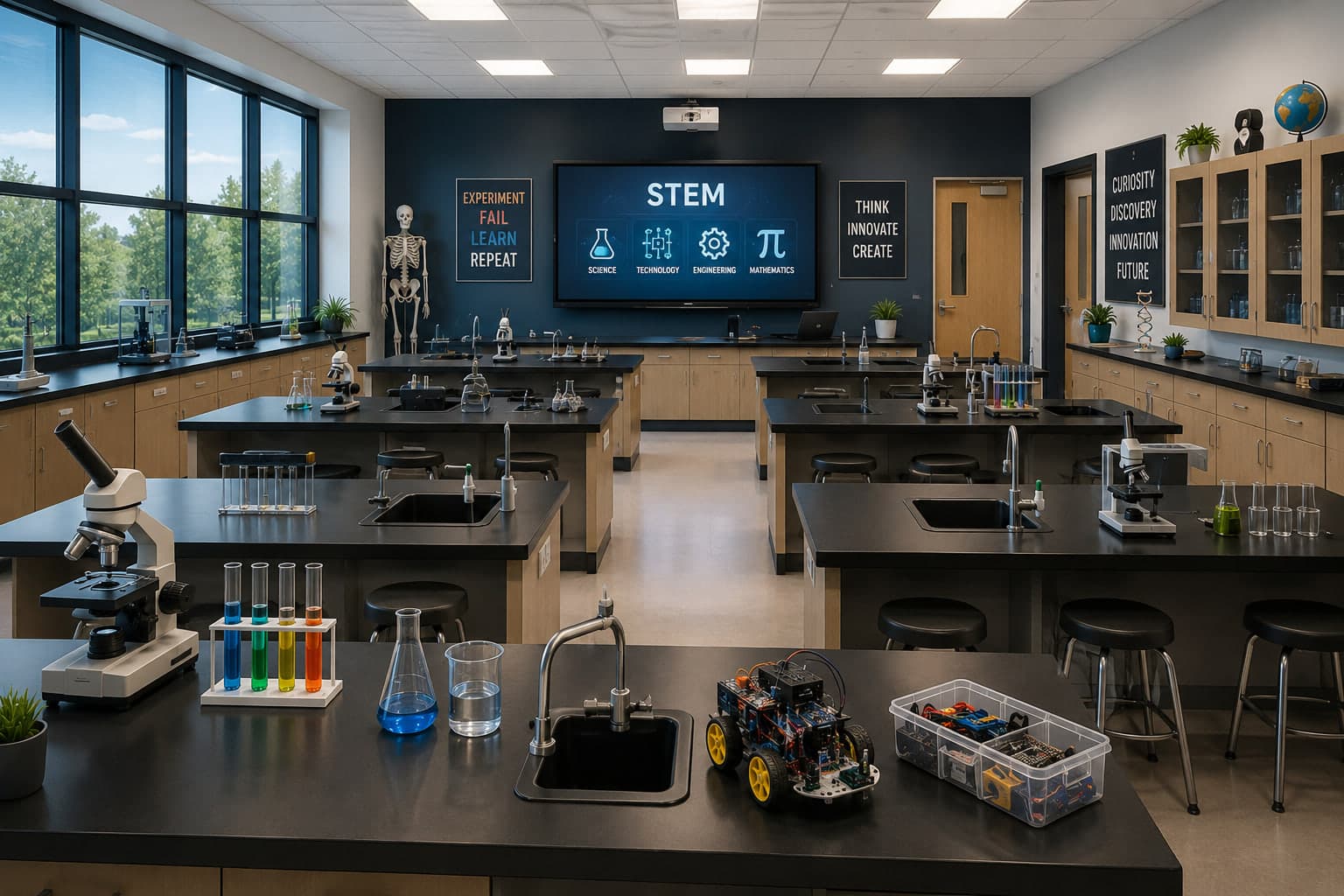
Apparatus specified by curriculum and year group, in quantities that let a whole class work in groups rather than watch a demonstration.
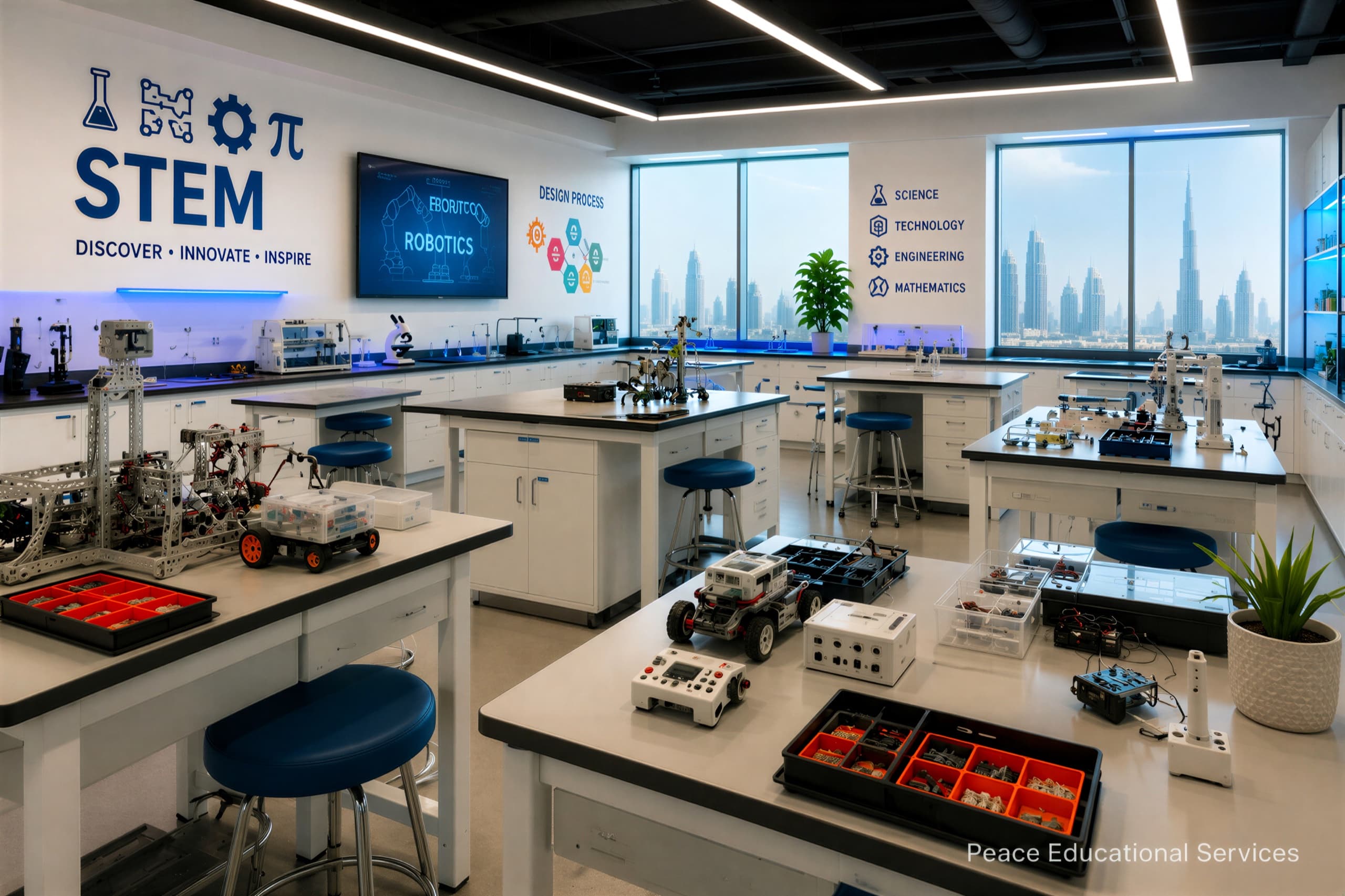
A laboratory is only as good as the number of students who touch something in it. We specify for practical work at class scale, not for a display cabinet.
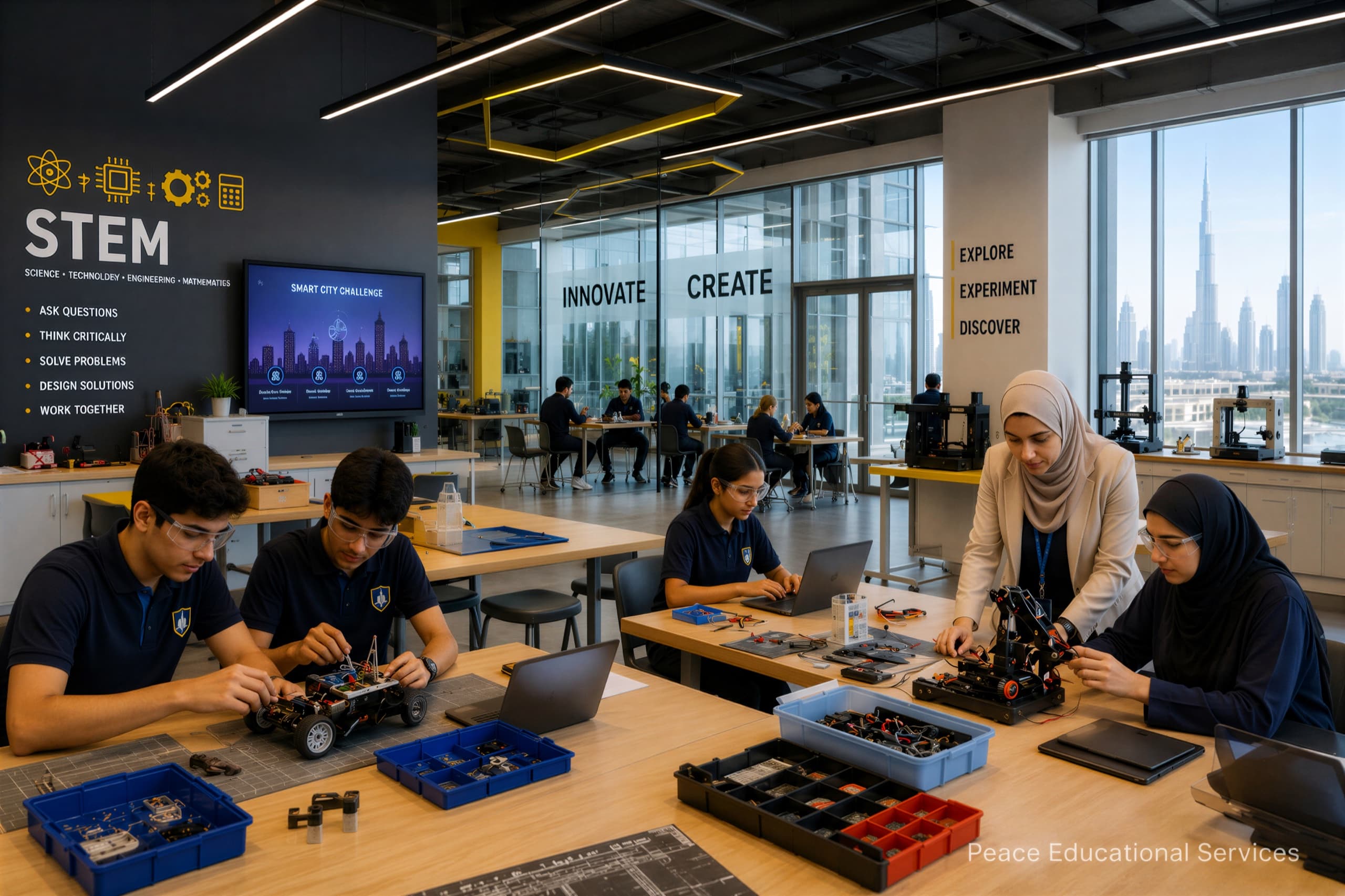
Laboratory & STEM
The service
It is common to walk into a well-funded school laboratory and find the good equipment locked away because there is one of it and thirty of them. The specification decision that matters is not brand, it is quantity and durability: enough sets for group work, robust enough to be handled by fourteen-year-olds, and consumables planned so practicals do not stop in February.
We specify laboratories and STEM provision against the curriculum's practical requirements, coordinate the equipment with the benching and services it needs, and include the safety provision that an inspection will ask about before it asks about anything else.
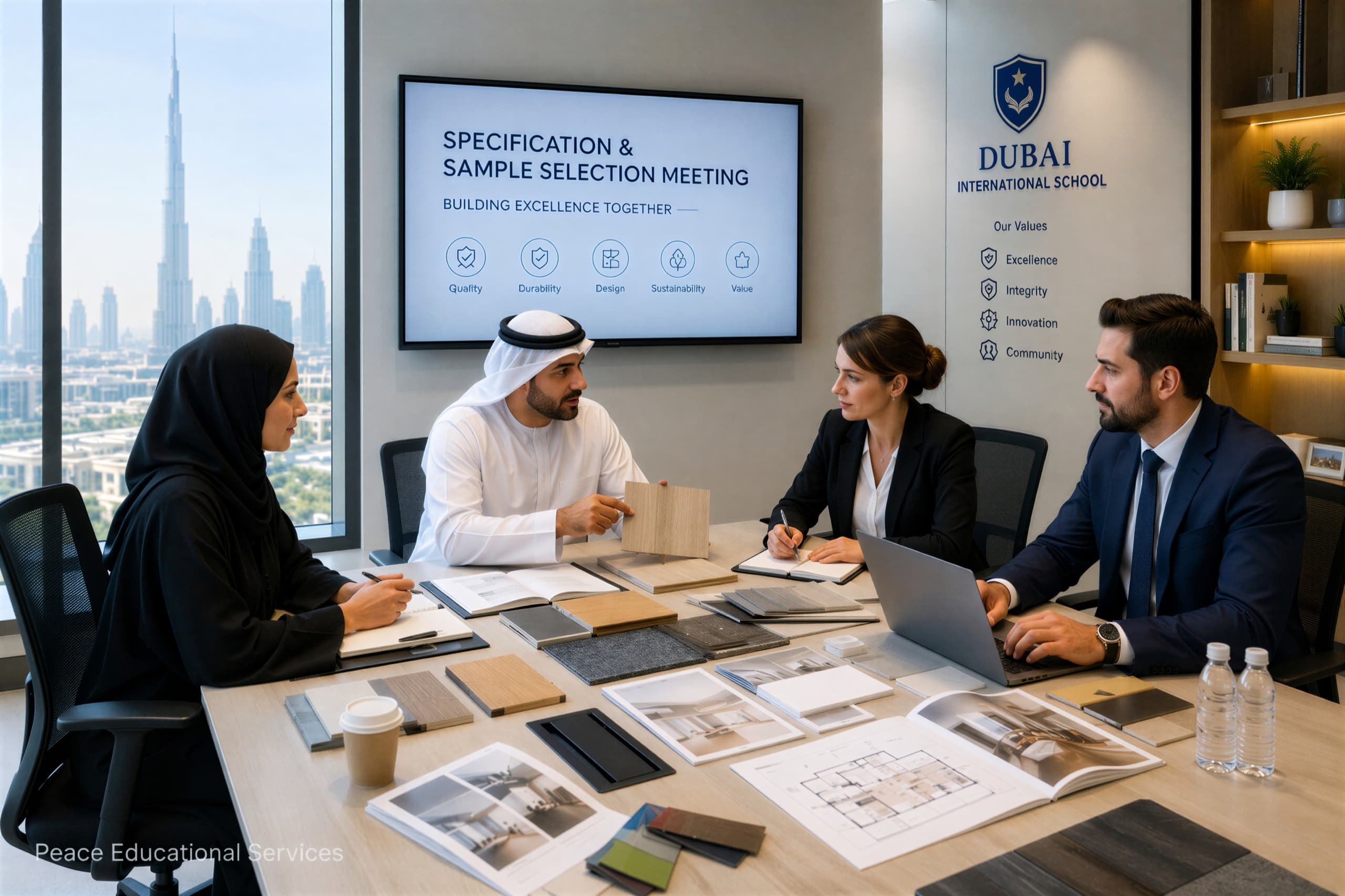
Coverage
Seven strands of work, each one explained and pictured. Take the whole of it, or the one strand your school is short on.
Apparatus specified by curriculum and year group, in quantities that let a whole class work in groups rather than watch a demonstration.
Subject-specific kit, models and consumables matched to the practical list your examination board or curriculum actually requires.

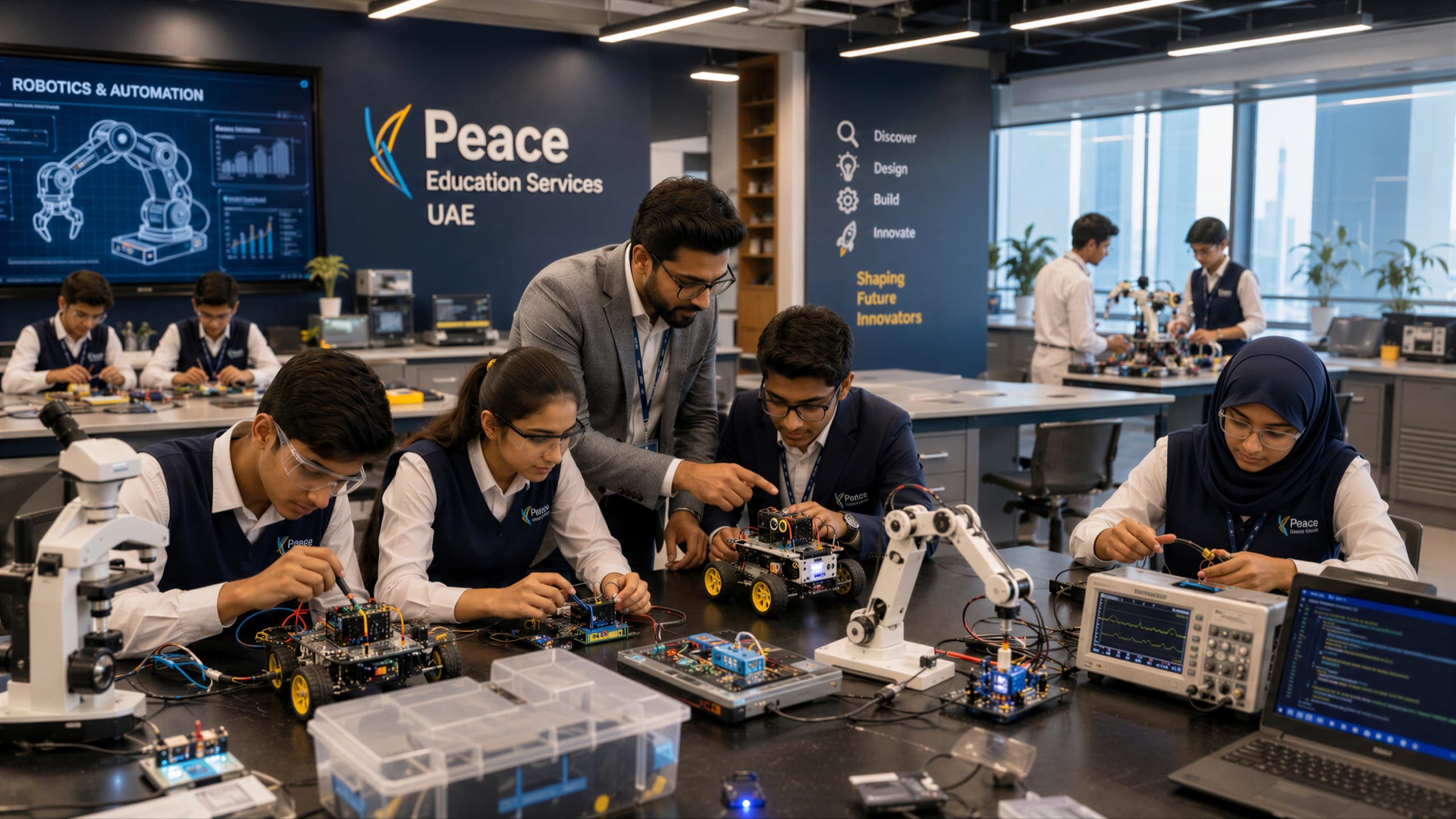
Robotics, electronics, coding kits and design-and-technology provision, chosen so a teacher can run a lesson with them unaided.
Manipulatives, measuring and geometry equipment, and the classroom sets that make abstract topics physical for younger students.
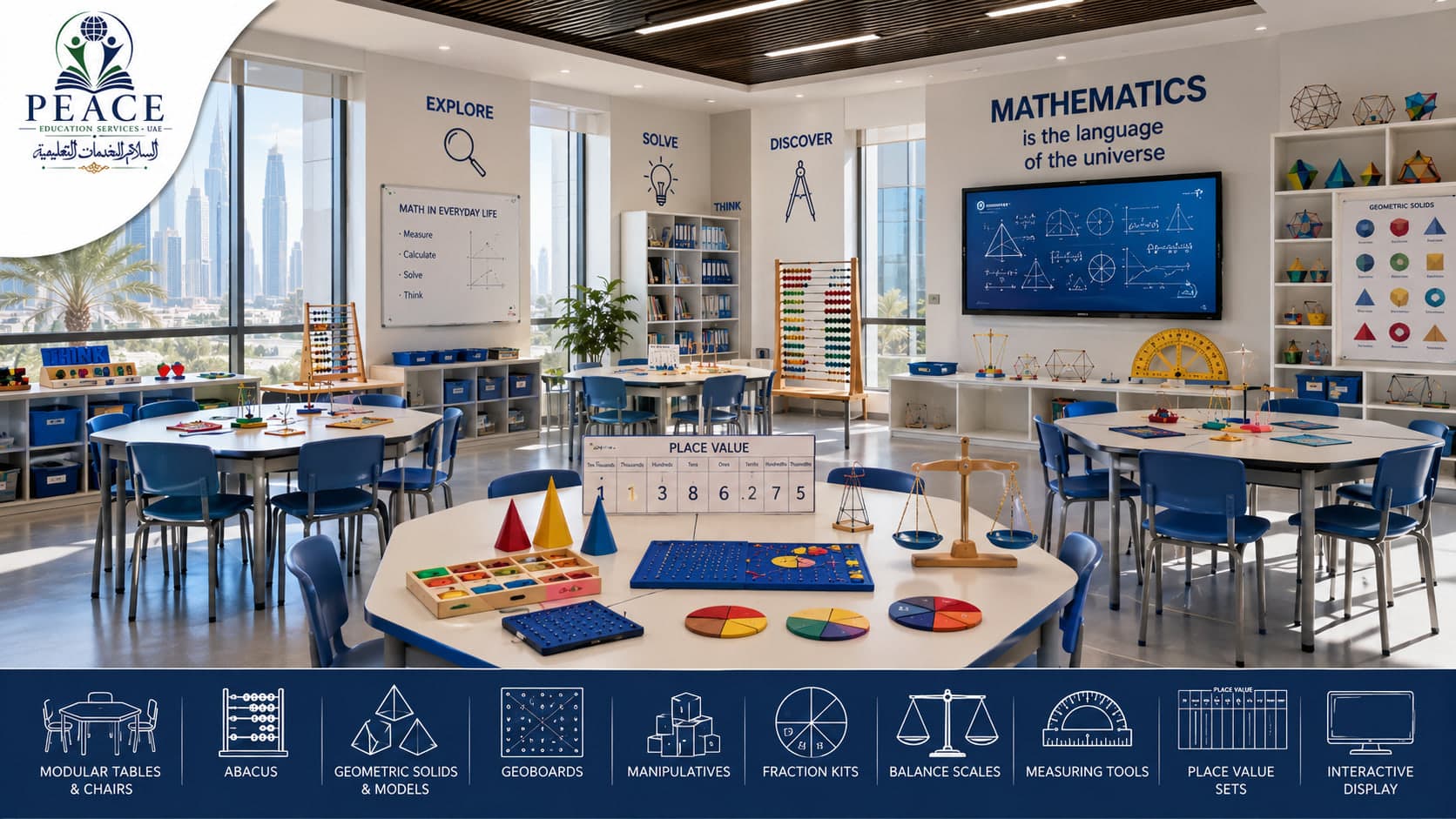
Early-years and primary practical resources that support enquiry teaching rather than sitting in a cupboard as evidence of it.
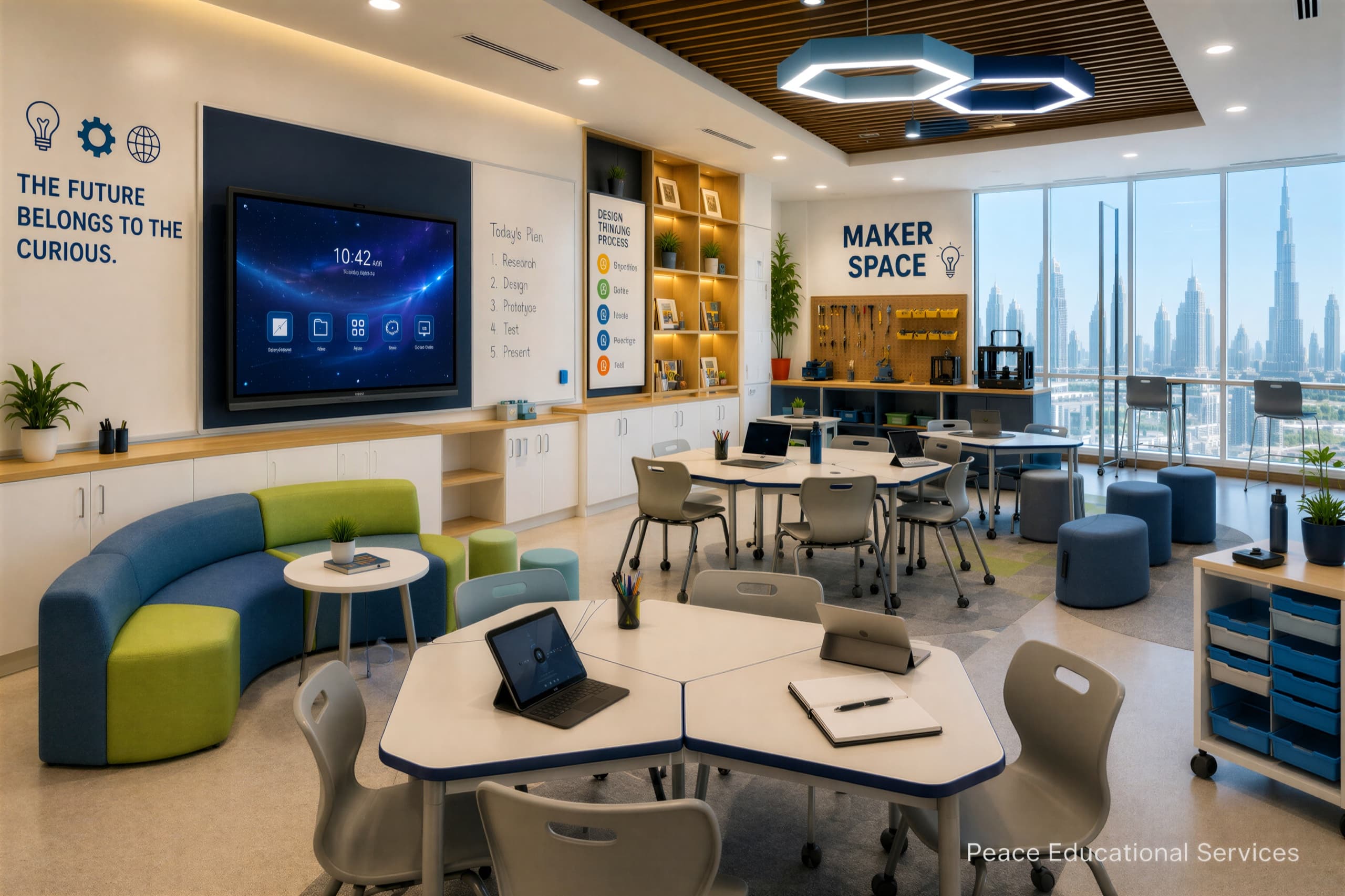
Eye protection, first aid, spill provision, chemical storage and signage — specified alongside the equipment, not remembered after it.

Layout, services, storage and preparation-room provision, coordinated with the furniture and infrastructure work so the room functions as one thing.
Deliverables
Deliverables, not intentions. Each of these is a thing that exists at the end of the engagement and can be pointed at.
Apparatus and quantities mapped to the practicals your curriculum requires, year group by year group.
Benching, services, storage and preparation-room provision drawn against the room you actually have.
Delivered, unpacked, checked against the schedule and set up in the room.
What gets used up, how fast, and the reorder route — so practical work does not quietly stop mid-year.
Looking ahead
A laboratory built now should teach the science of now. In practice that means benches that produce data, kits a class can teach a machine with, and simulation for the practicals a school cannot safely run — and it means the technician's week getting easier, not harder.
Robotics, computer-vision and machine-learning kits chosen so students build and train something themselves, with the curriculum mapping and teacher training that decide whether they survive past the launch assembly.
What that looks like
A middle-school team teaches a camera to sort recycling, then explains which training images it got wrong and why.
Sensors and data logging on the physics, chemistry and biology benches, feeding into the graphing and analysis the syllabus already asks for.
What that looks like
Thirty students plotting their own cooling curves in the lesson they measured them in, rather than next week.
Virtual and simulated practicals for the experiments that are too costly, too slow or too hazardous for a school laboratory — added to the practical work, never substituted for it.
What that looks like
A titration or a dissection rehearsed on screen, so the real one is not the first attempt.
In development, and labelled that way deliberately. Ask where each of these stands when you enquire — we will tell you what is running, what is being built and what is still on the bench.
The route
The same five stations every project travels, applied to laboratory & stem.
You send the curriculum, the year groups and the room. One laboratory or a whole science block.
An itemised schedule and price, with quantities justified against the practical list rather than rounded to a budget.
Layout drawings, and samples of the apparatus where the difference between two options is a thing you need to hold.
Benching and furniture manufactured to the approved layout; equipment sourced through our supply partners.
Installed, commissioned and checked against the schedule, with the safety provision in place on day one.
Questions
Yes, and it is often the better spend. We will audit what you have, tell you what is genuinely unusable, and specify only the gap.
Yes, and we plan them by term. Consumables are where practical teaching quietly dies, so they belong on the original schedule.
From the practical list and the class size, with a target group size we agree with your head of science. Quantity is a teaching decision before it is a budget one.
Pairs well with
Start the conversation
Whether that is thirty teachers, one laboratory, or a building that opens in September, the first conversation is the same.
Start an enquiry