Playgroup and nursery setup
Room plan, ratios, equipment schedule and the approval questions answered in the right order, so the space you have becomes the space an authority will license.
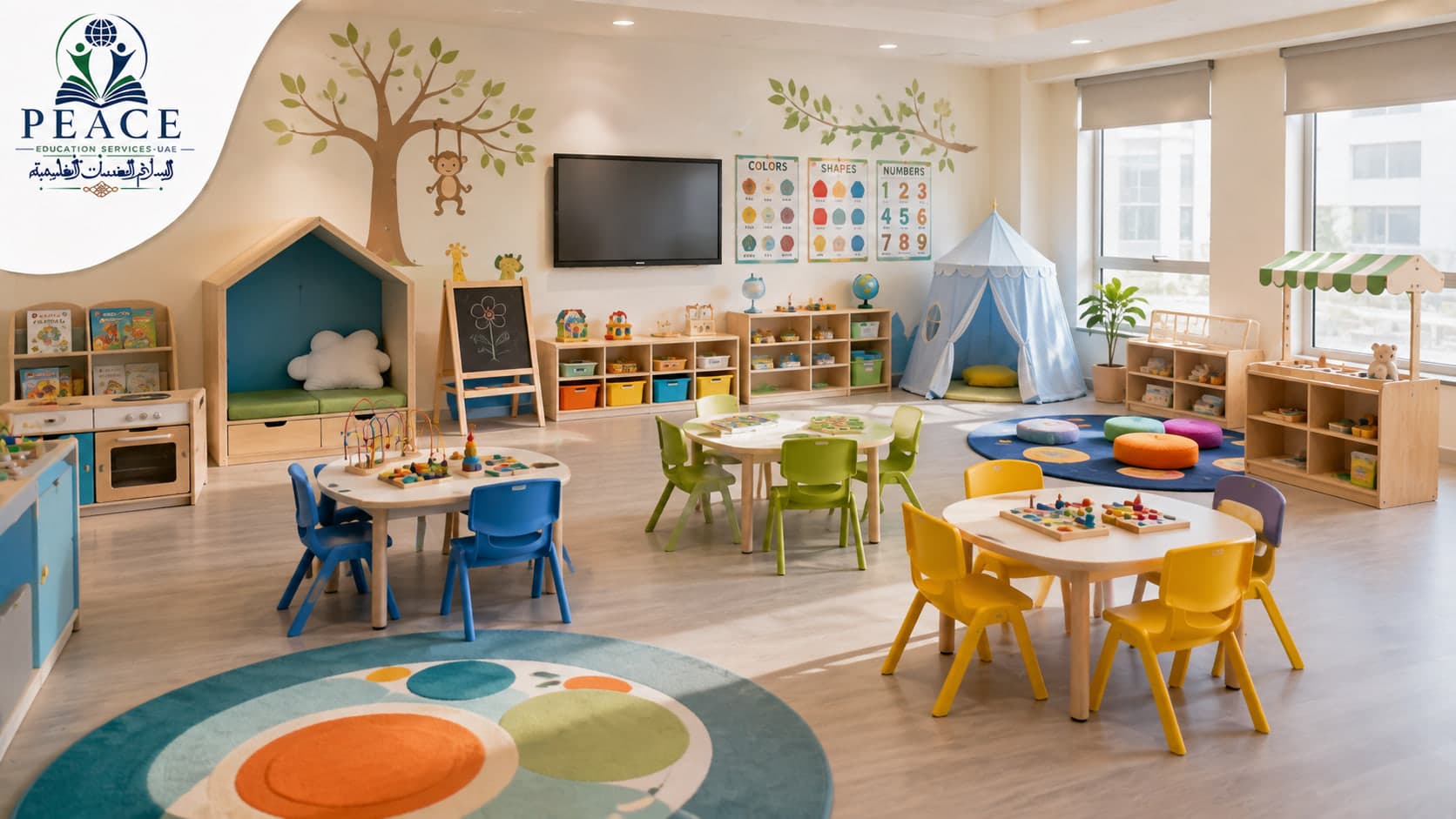
A playgroup is not a small school. It runs on ratios, routines and the nerve of a parent handing over a two-year-old at eight in the morning — and every one of those is a decision somebody has to make before the doors open.
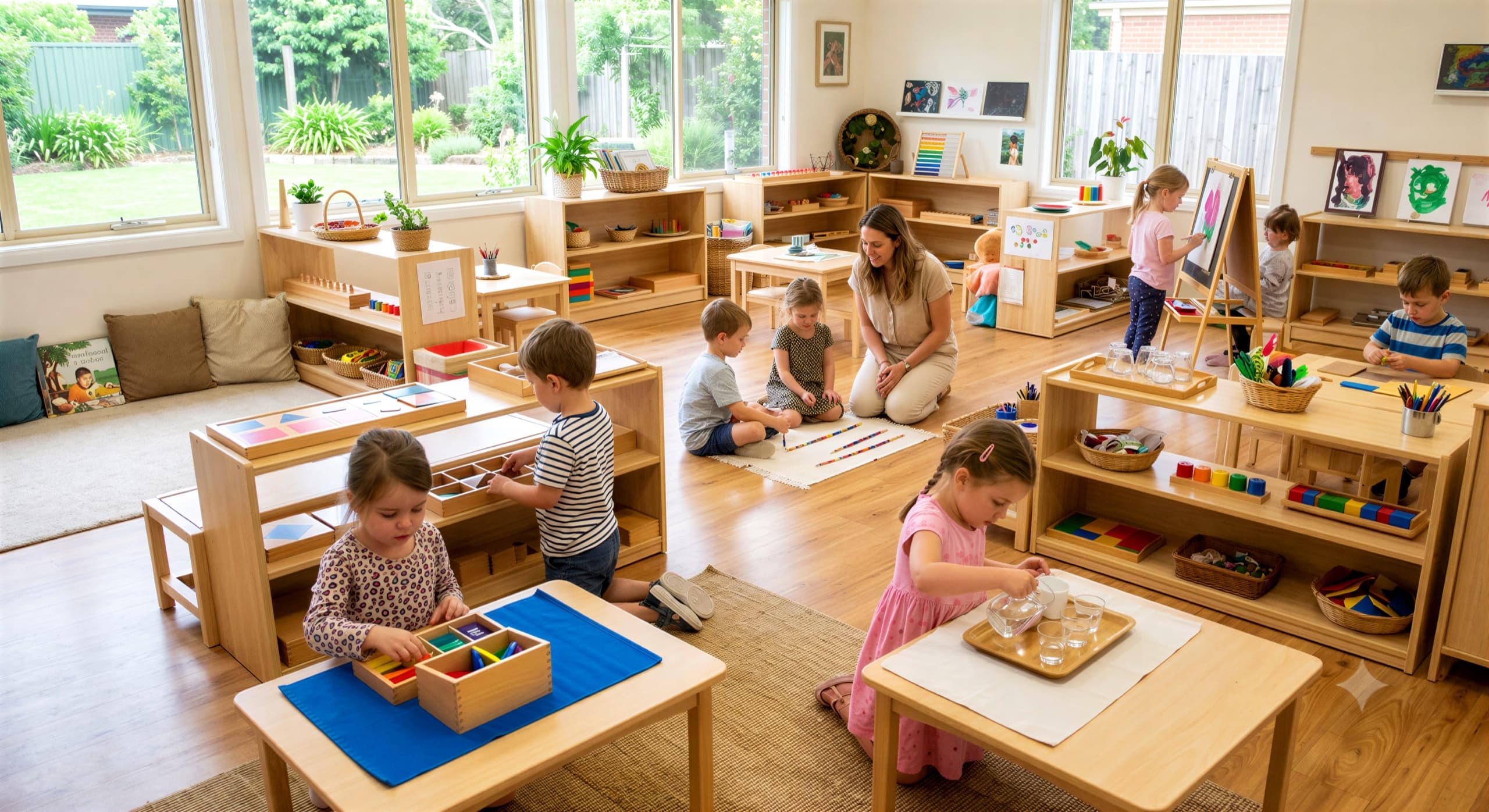
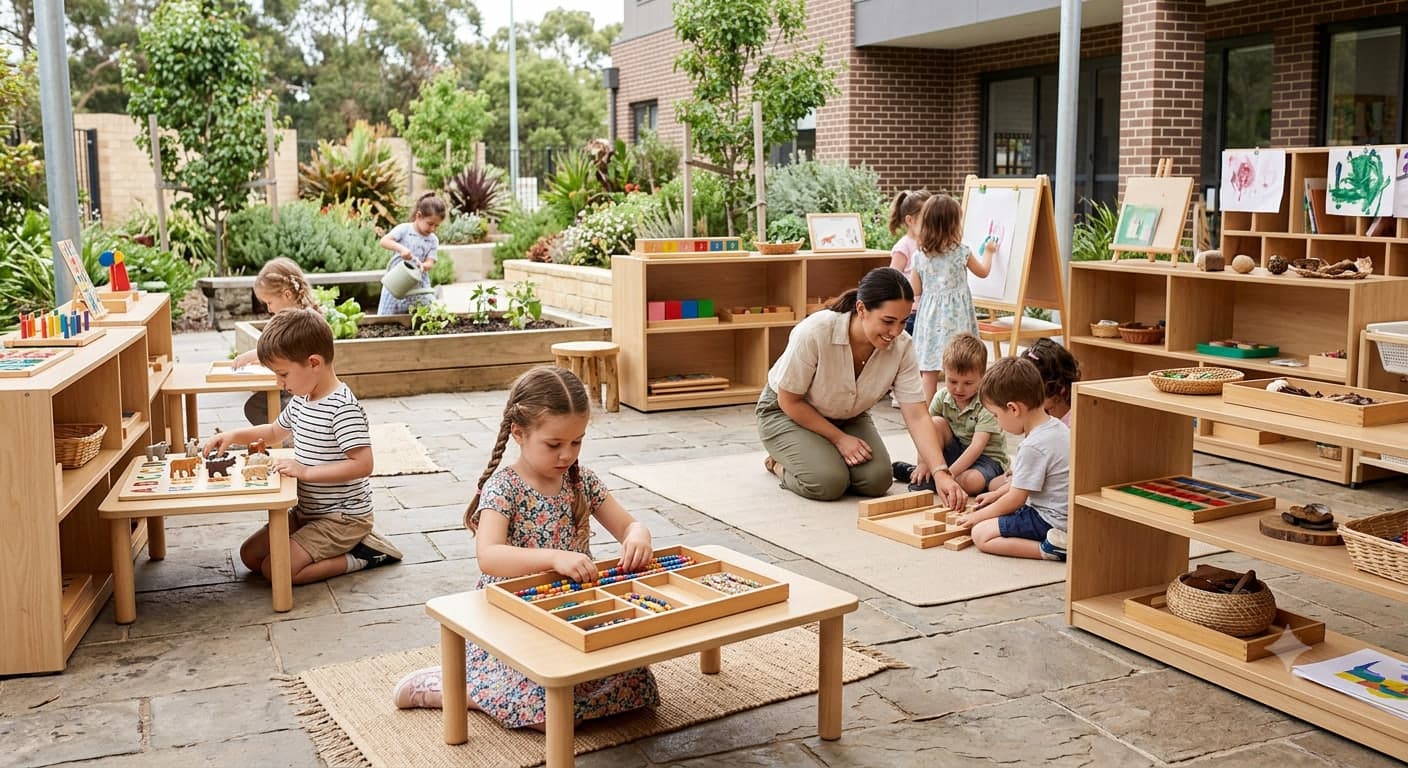
Playgroups
The service
Early years is where a school's reputation is actually made. A family that has a good first year with your playgroup enrols the sibling, tells the neighbour and stays for a decade. A family that does not leaves in October and tells everybody why. The work that decides which one you get is unglamorous and specific: the right ratio, furniture at the right height, a rhythm to the day, and adults who know what a settling-in week is supposed to feel like.
We set up and equip playgroups, nurseries and early-years wings, and we train the people who will run them. Peace English Medium Schools takes children from this age, so the routines we recommend are ones we have had to make work on a wet Tuesday in a room of two-year-olds rather than ones we have read about.
Regulatory requirements for early learning differ by emirate and by authority, and they move. We work to whichever framework applies to you, we say plainly which parts we need to check rather than quote from memory, and the answer arrives in writing before anything is ordered.

Coverage
Nine strands of work, each one explained and pictured. Take the whole of it, or the one strand your school is short on.
Room plan, ratios, equipment schedule and the approval questions answered in the right order, so the space you have becomes the space an authority will license.
A weekly rhythm built on play, language and motor development rather than on worksheets, mapped to whichever early-years framework you answer to.
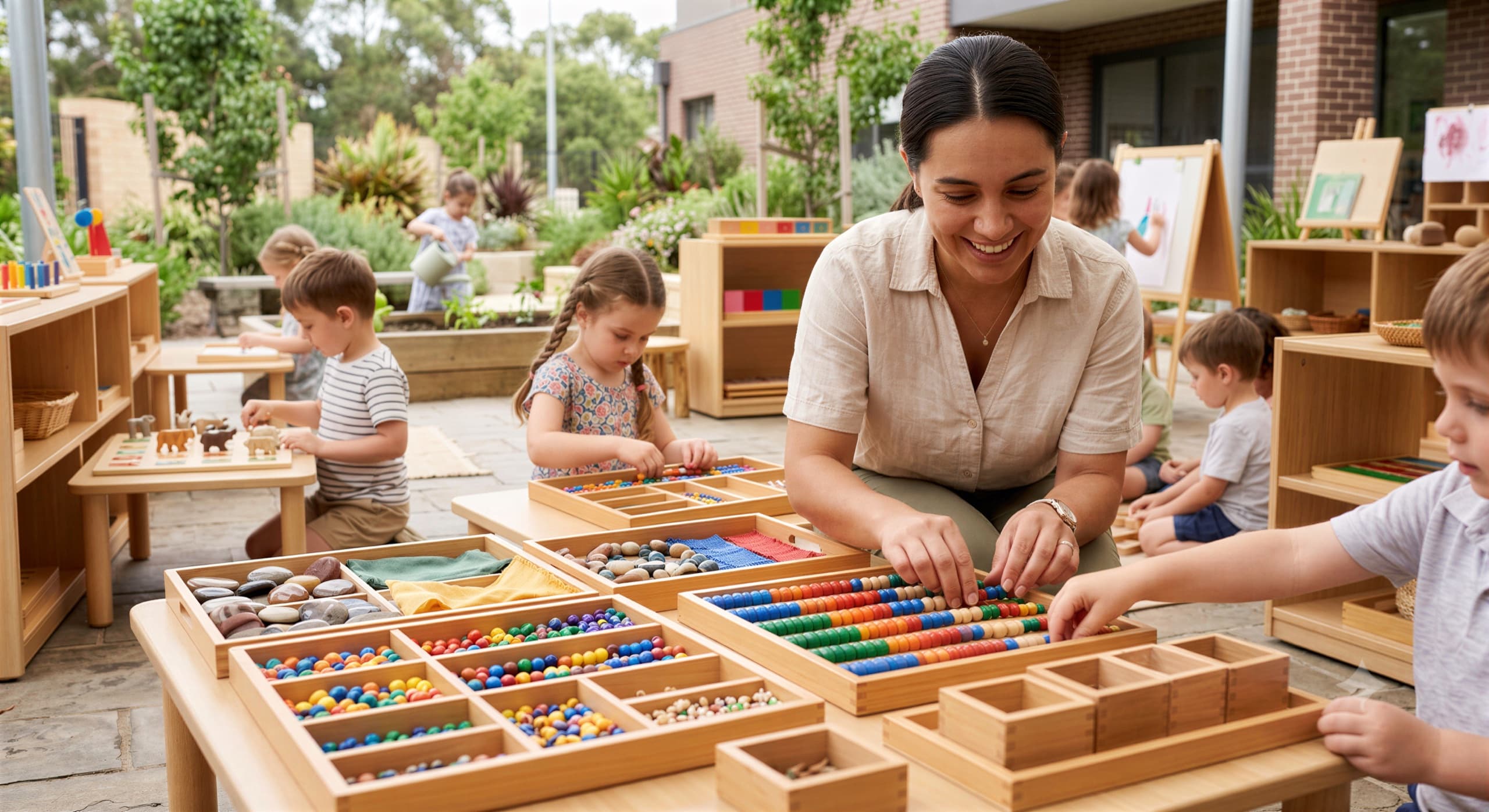
Furniture at the height of the children using it, soft flooring, sight lines an adult can supervise the whole room from, and storage a two-year-old can actually reach.
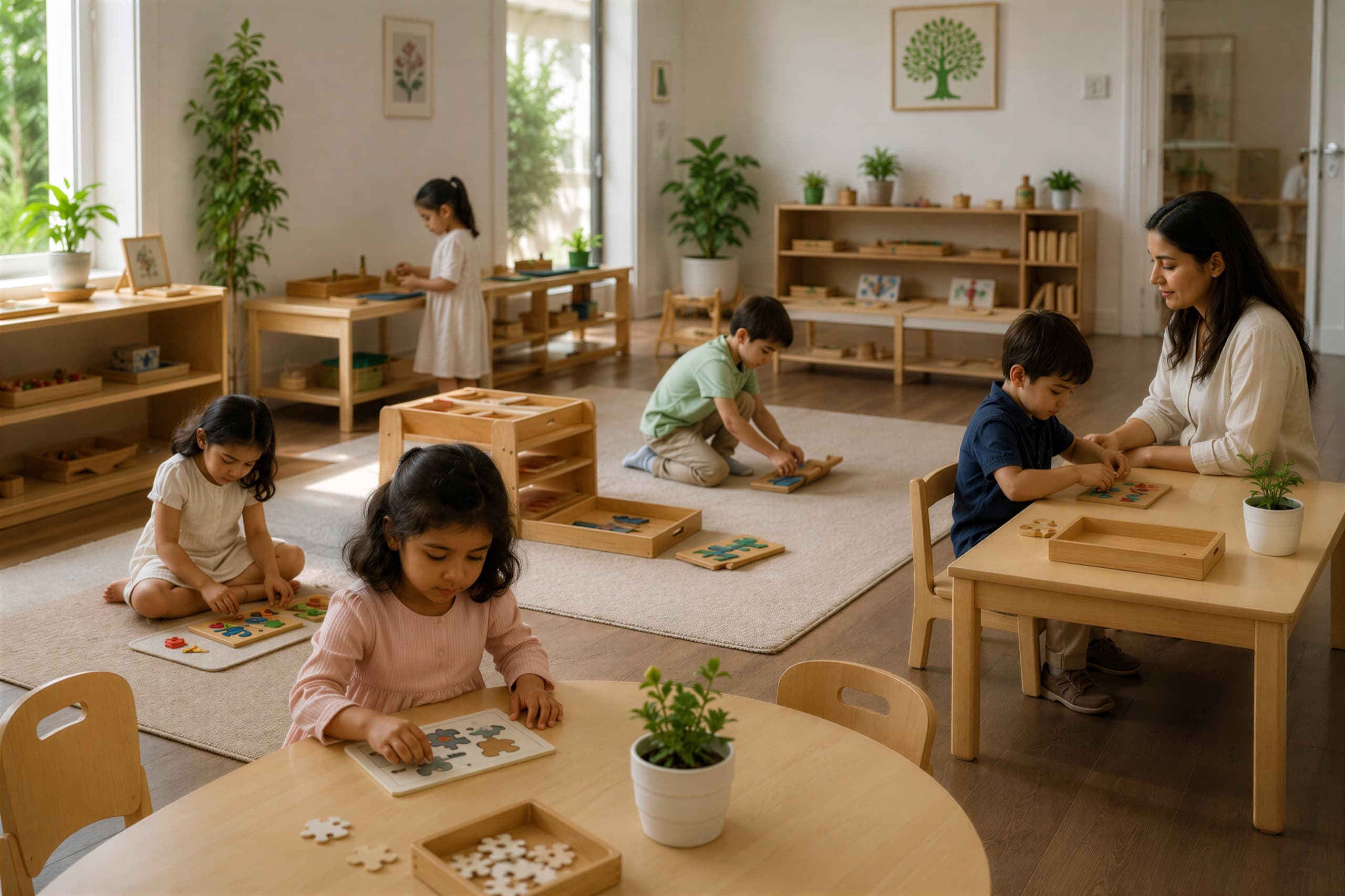
Construction, sensory, role-play, messy play, books and music, chosen as a set that works together — with a replacement schedule rather than a wait for things to break.
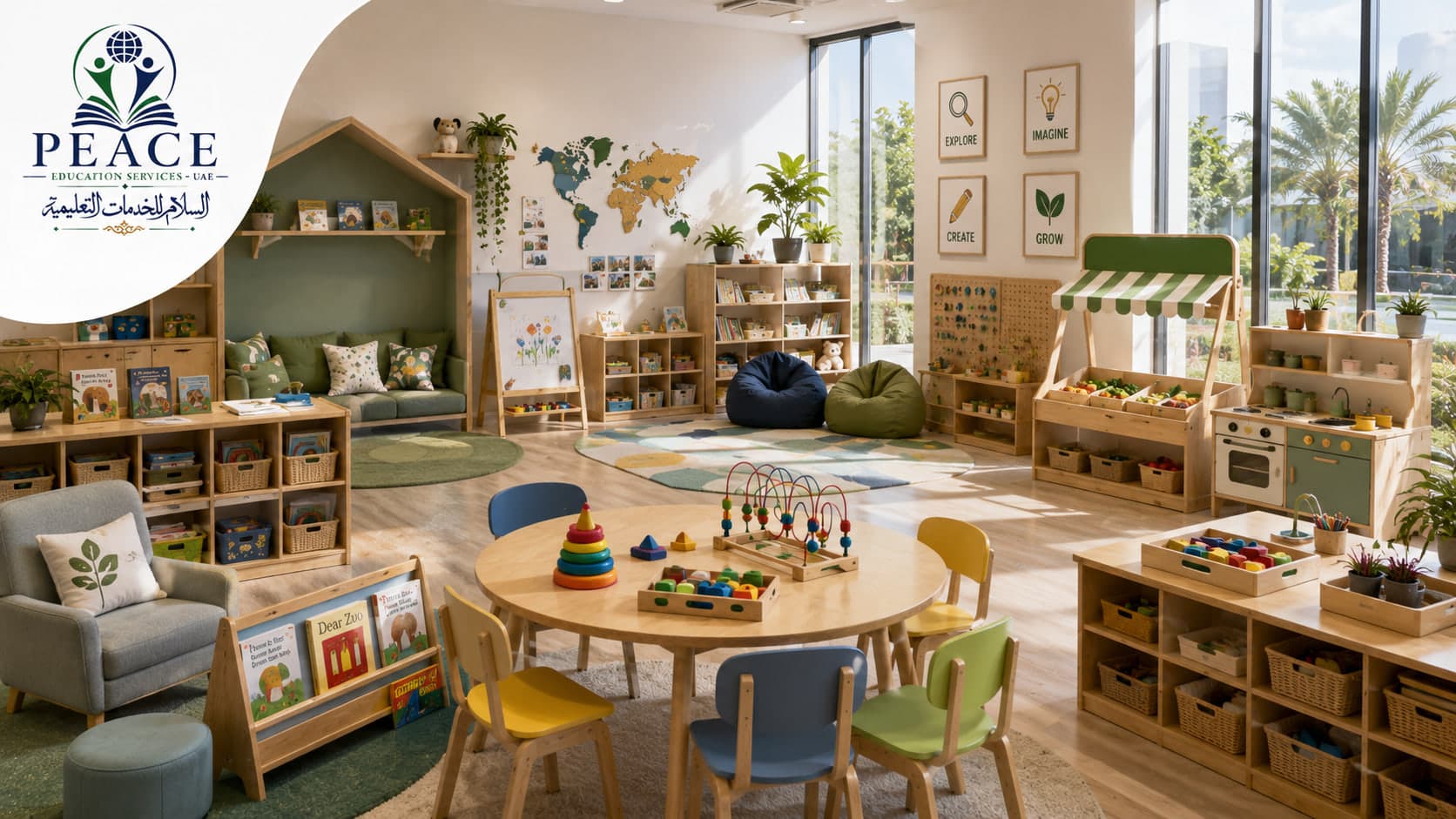
Shade, ground surfacing and equipment sized for under-fives, because at this age physical play is the curriculum rather than a break from it.
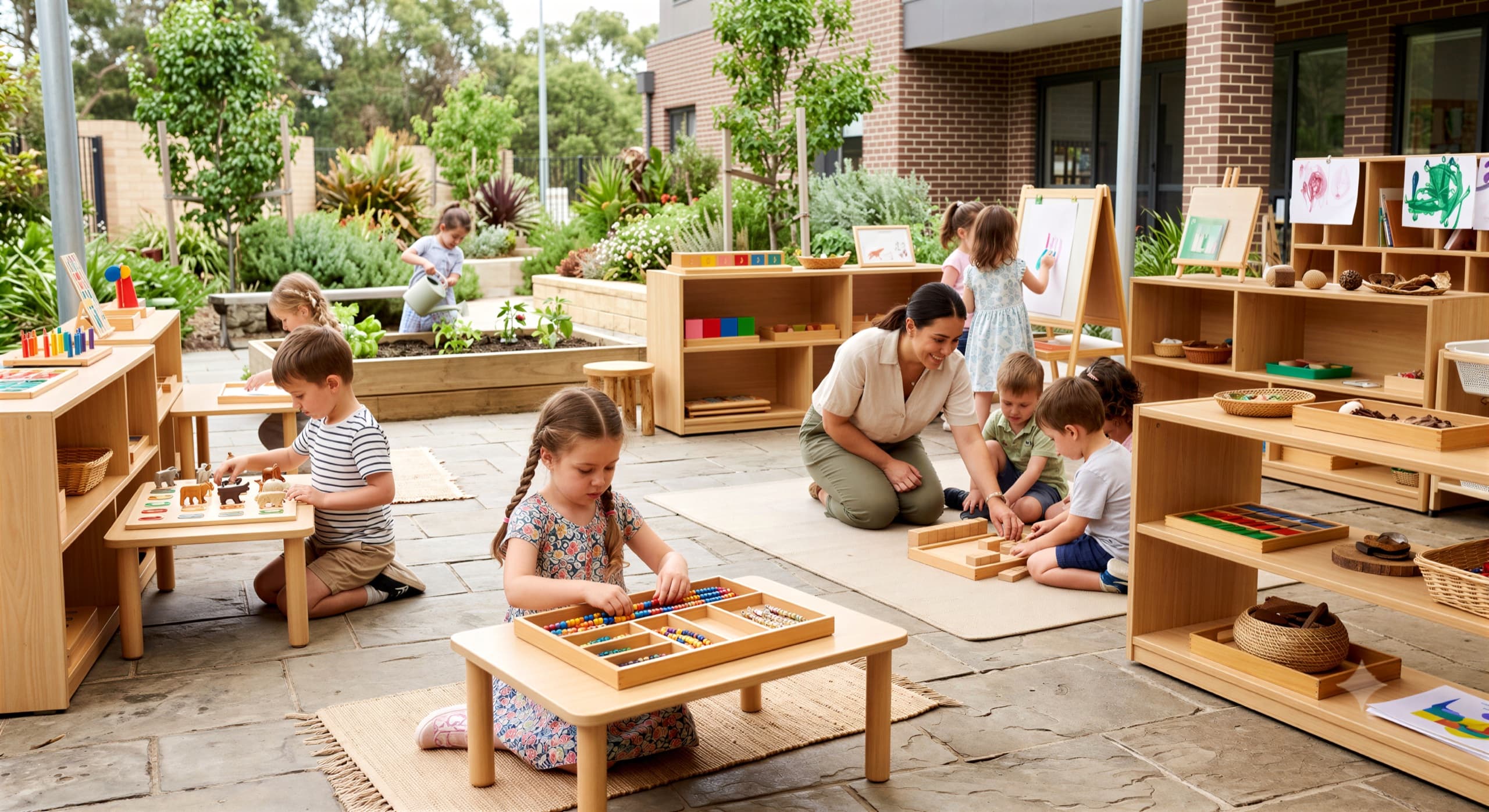
Recruitment and training for nursery teachers and assistants — the ones who can hold a room of twenty two-year-olds and still notice the child who has stopped talking.
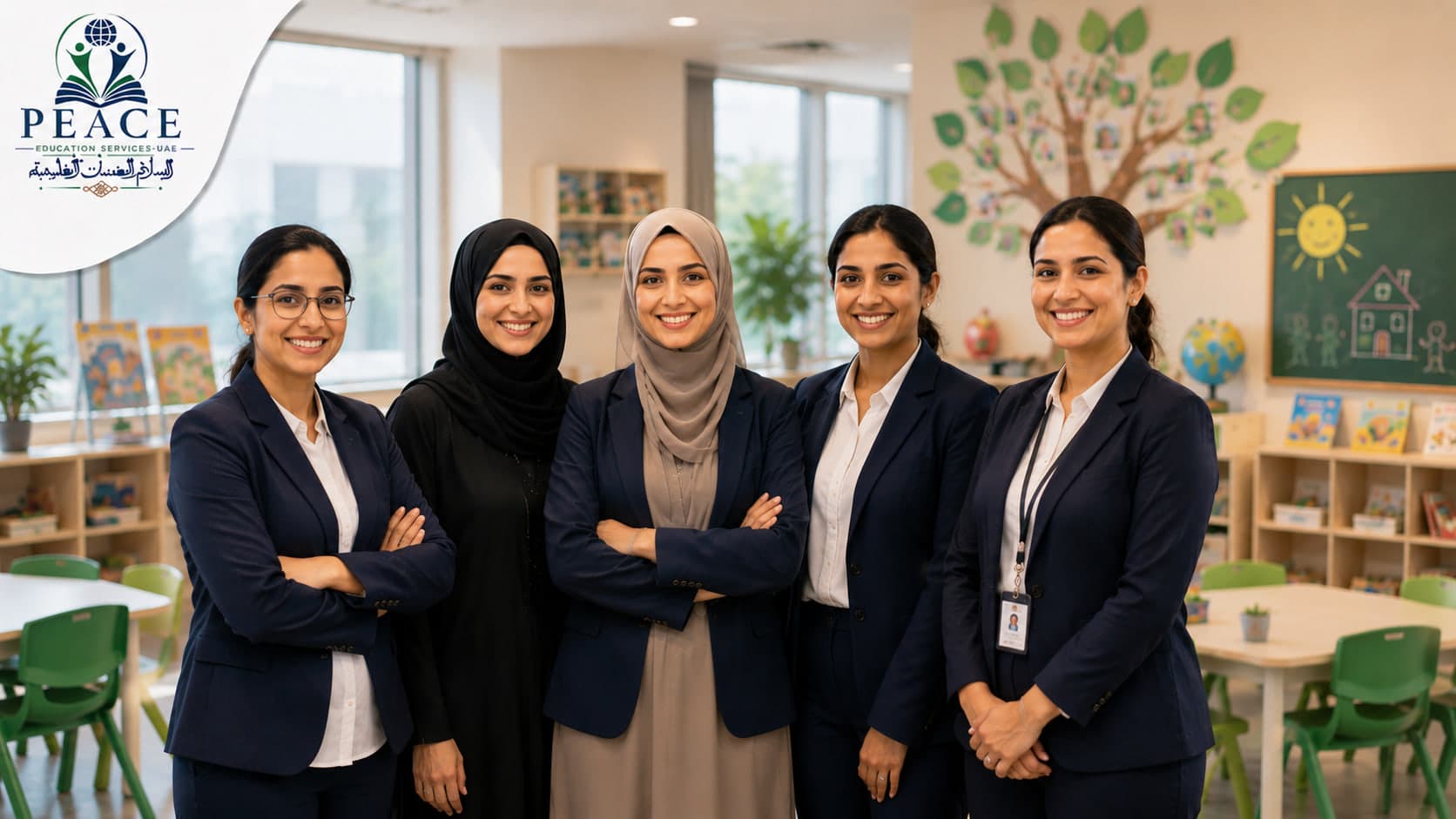
Handover, allergy, medication, incident and hygiene routines written as procedures a new assistant can follow in week one — and kept as the records an inspection will ask for.

Nap, snack and transition routines planned into the timetable with the space and equipment they need, so the day runs on a rhythm instead of on improvisation.

A first-week plan per child, and the handover into kindergarten — the two points where families decide whether they trust the school with the next ten years.

Deliverables
Deliverables, not intentions. Each of these is a thing that exists at the end of the engagement and can be pointed at.
Layouts to scale with furniture, storage and play zones marked, and a priced schedule of everything the room needs, line by line.
The weekly rhythm, the areas of learning, and what an adult is meant to be doing in each part of the day — short enough that it gets used.
Roles, numbers, qualifications and cover arrangements against the framework you answer to, with the role descriptions written.
Handbook, settling-in plan, daily-routine sheet and the communication rhythm for the first term, ready to hand to a family.
Looking ahead
Early years produces the richest evidence in a school and keeps almost none of it: what a two-year-old did this morning lives in an adult's memory until the end of a very long day. The AI work here is about catching what nobody in a busy room has a free hand to write down.
A voice note or a photograph taken on the floor, turned into a structured development record against the framework the setting uses — for the key person to correct, add to and sign.
What that looks like
Twenty observations caught in a morning become one record per child by Friday, without anybody spending an evening typing.
A daily summary a parent can read at pick-up, in the language spoken at home, assembled from the routines the room already records.
What that looks like
A parent knows what their two-year-old ate, slept and built before they reach the car park.
Patterns across speech, motor and social milestones surfaced for a professional to look at properly. A prompt for a human, never a diagnosis, and never shared outside the setting.
What that looks like
A child whose speech has stopped progressing is raised in week six rather than at the end of the year.
In development, and labelled that way deliberately. Ask where each of these stands when you enquire — we will tell you what is running, what is being built and what is still on the bench.
The route
The same five stations every project travels, applied to playgroups.
You tell us the ages you want to take, the space you have, and the term you want to open in.
A room plan, an equipment schedule, a staffing shape and a training plan, priced and itemised.
Layouts, sample resources and the curriculum framework in draft, to be argued with before anything is bought.
Furniture and resources in and checked, staff recruited and trained, routines and records written and rehearsed.
We are in the room for the settling-in week, and back at half term to see which parts of the plan did not survive.
Questions
Usually, and the requirements differ by emirate and by authority. We work to whichever framework applies to you, and where a rule has changed recently we check it rather than quote it from memory — you get the answer in writing, with its source.
Play-based, and framework-agnostic. The British EYFS, Montessori-informed practice and the early years of the Indian frameworks are all ones we have worked to. The choice belongs to the school; our job is to make the one you choose survive contact with a real room of children.
We set it up, equip it, staff it and train it. Running it day to day stays with the school — a playgroup that depends on a consultant being in the building is not set up, it is propped up.
Pairs well with
Start the conversation
Whether that is thirty teachers, one laboratory, or a building that opens in September, the first conversation is the same.
Start an enquiry