Textbooks and supplementary books
Core and supplementary titles selected against your curriculum and year groups, ordered as one coordinated purchase across publishers.
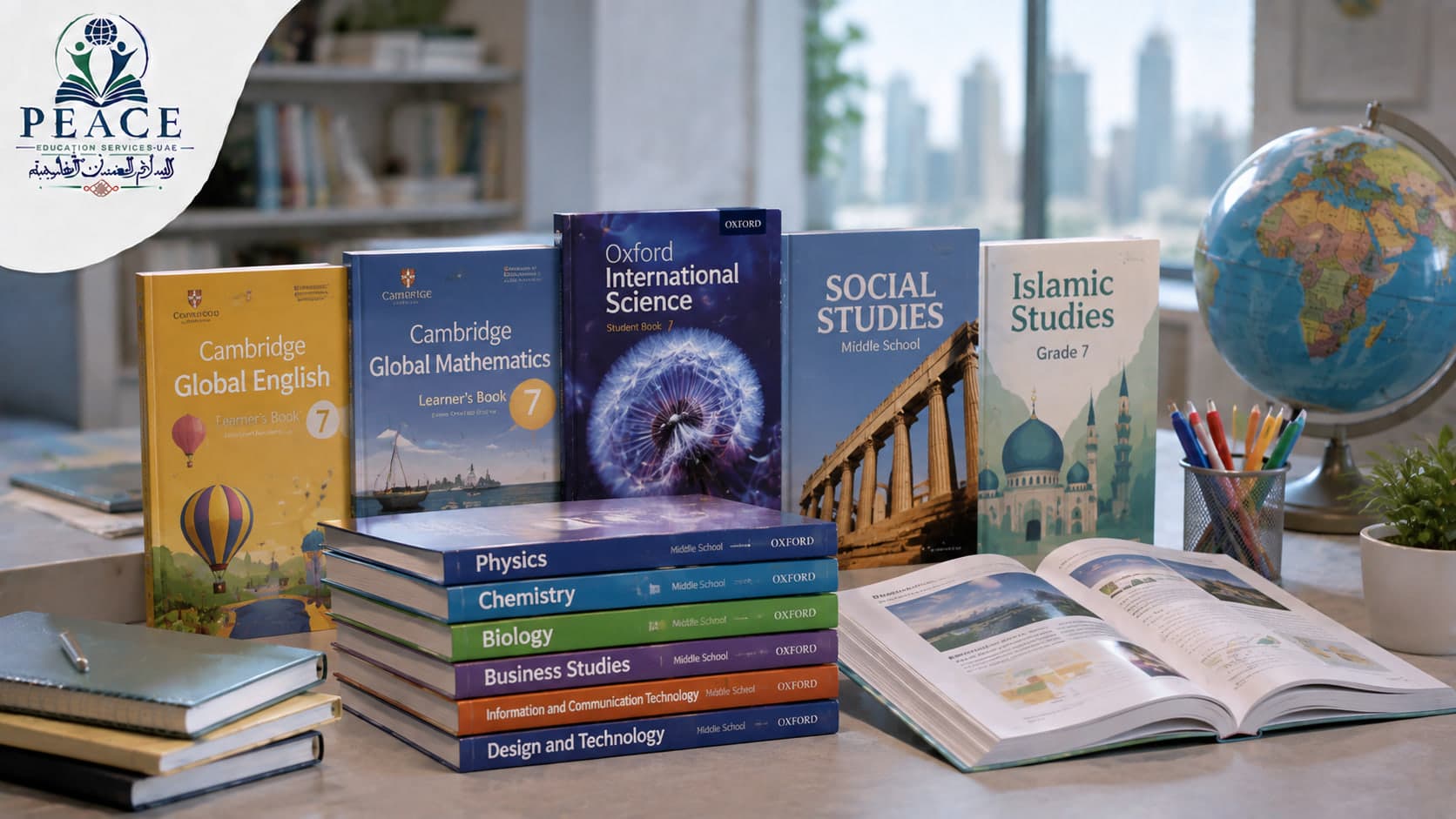
Textbooks arrive in one delivery in August or they disrupt a term. We handle the selection, the ordering and the arrival.
Books & resources
The service
Book procurement looks simple until you are reconciling four publishers, three curricula, a late syllabus change and a class that grew by nine students. It is a coordination problem, and it has a hard deadline that everybody in the building can see.
We work with the publishers schools already trust — Cambridge University Press, Oxford University Press, Pearson, Macmillan Education, Scholastic — and handle selection, quantity planning, ordering and delivery as one line of responsibility, including the digital licences that increasingly come attached.

Coverage
Seven strands of work, each one explained and pictured. Take the whole of it, or the one strand your school is short on.
Core and supplementary titles selected against your curriculum and year groups, ordered as one coordinated purchase across publishers.
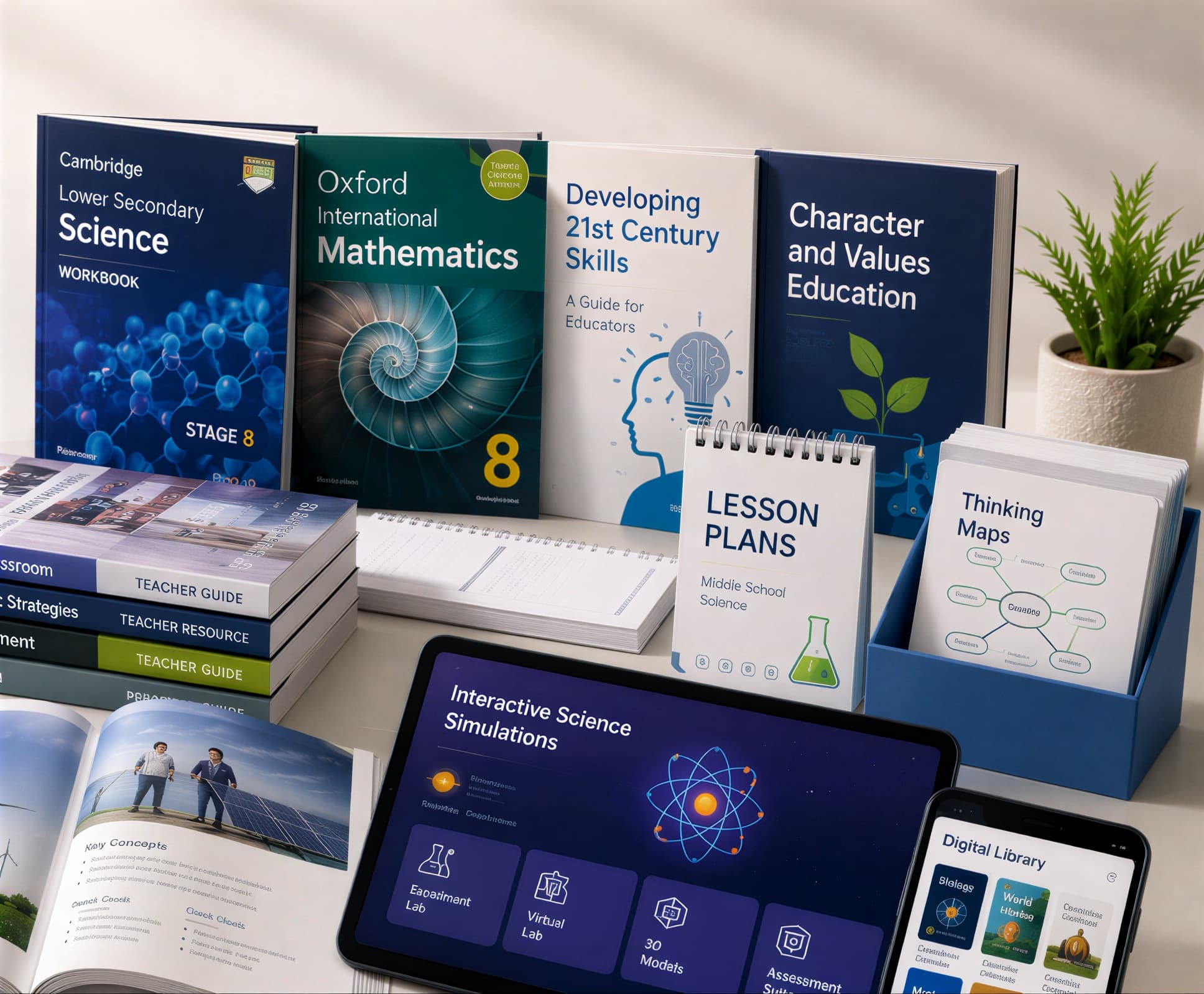
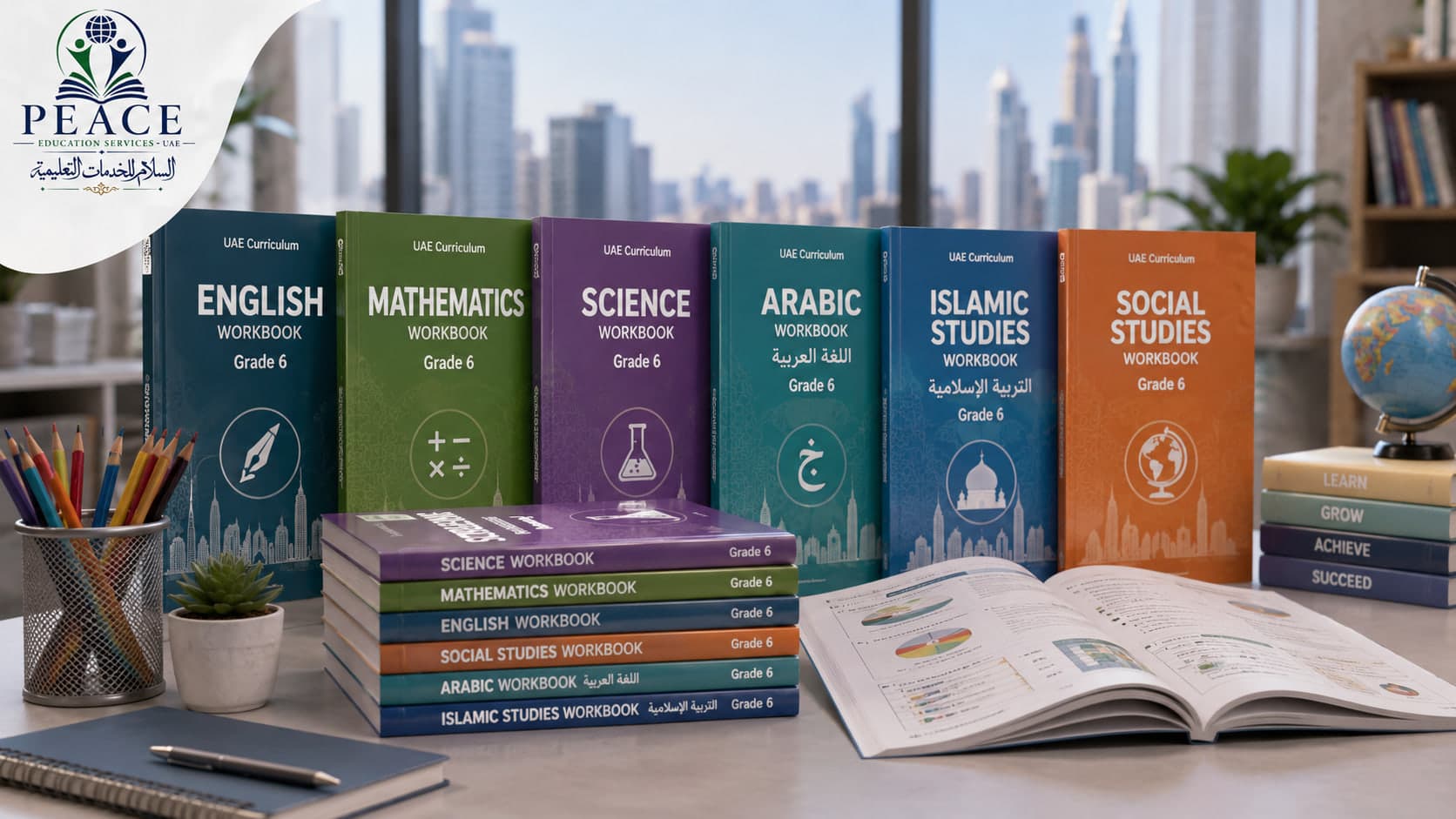
Consumable workbooks planned by class size with the buffer that a September intake always turns out to need.
Teacher editions, scheme-of-work support and planning resources, ordered alongside the student titles rather than forgotten until week two.

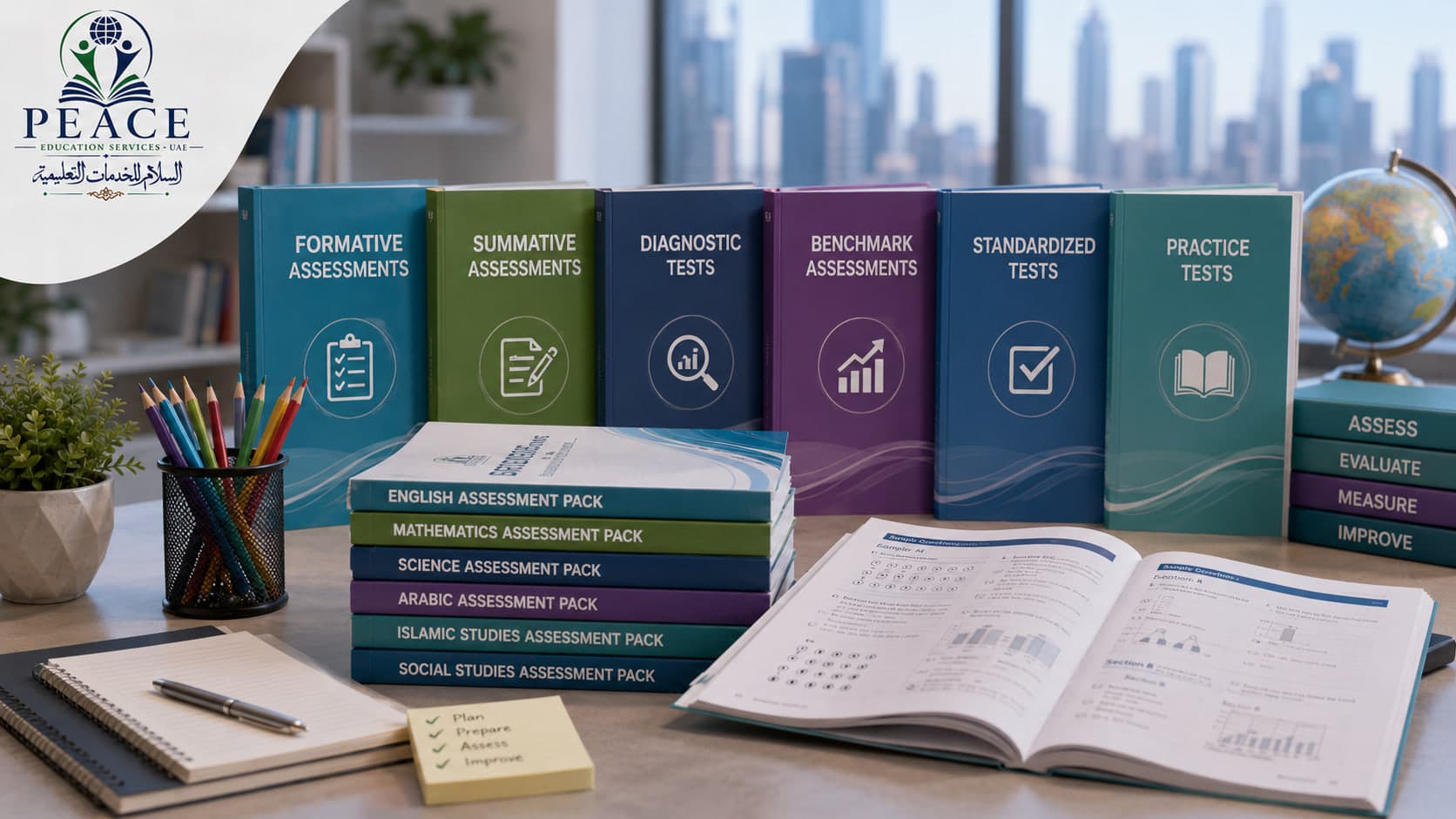
Past papers, practice materials, question banks and mark schemes matched to the examinations your students actually sit.
Packaged classroom kits for practical and activity-based teaching, in class sets rather than single demonstration copies.

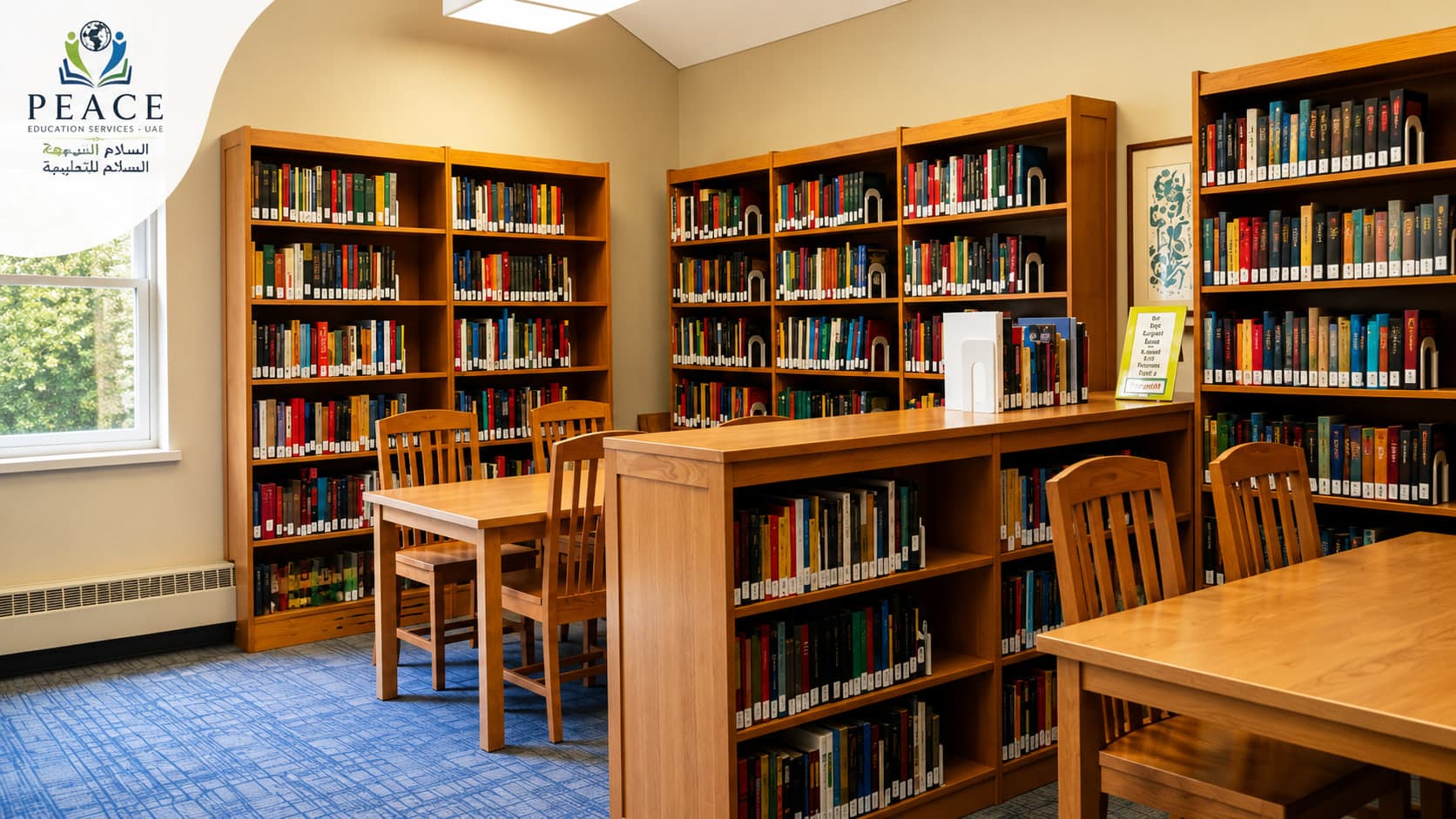
Reading schemes, levelled readers, reference and fiction, built as a collection with a reading age spread rather than bought by title.
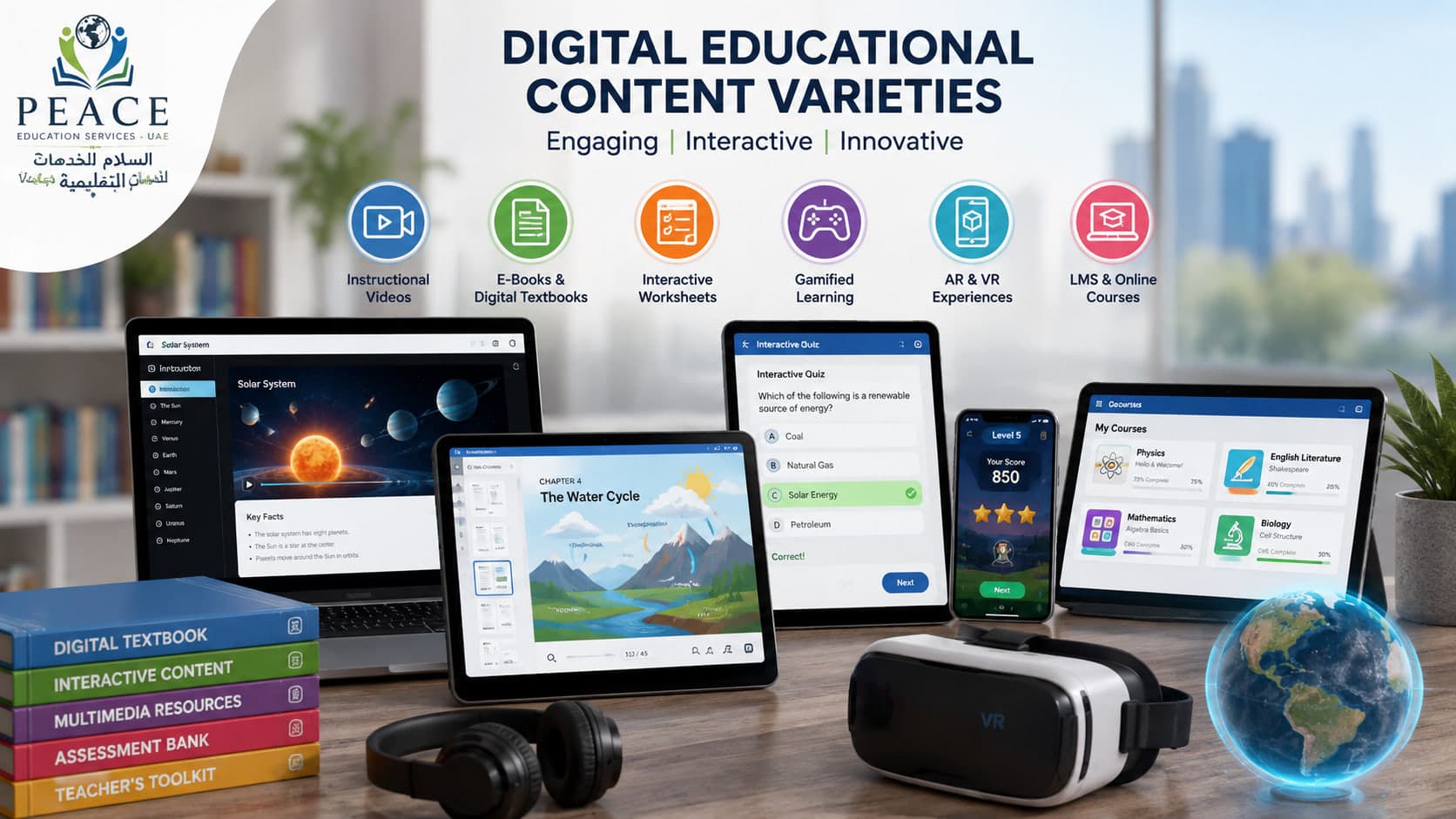
Digital editions, platform licences and access codes, issued and tracked so a licence bought in August is still usable in January.
Deliverables
Deliverables, not intentions. Each of these is a thing that exists at the end of the engagement and can be pointed at.
Titles, editions, ISBNs and quantities, checked against your curriculum and your roll.
Across all publishers, with lead times and a delivery date that sits before term, not on it.
Delivered to site and reconciled against the booklist, with shortfalls chased by us rather than by your office.
Access codes distributed and recorded, so the digital half of a purchase does not evaporate.
Looking ahead
Content is the part of a school that ages fastest. AI changes how quickly a resource can be adapted to the class actually in front of you — which is a gift or a mess depending entirely on who checks it.
The same passage produced at the reading ages in the room and in the languages your classrooms speak, then checked by the teacher who will teach it.
What that looks like
A Year 5 science text a struggling reader and a strong one can both work from in the same lesson.
Assessment items generated against the specification your students sit, tagged to objectives, and moderated by a subject lead before they are used.
What that looks like
A revision paper assembled in ten minutes from questions that match this term's objectives.
Existing schemes, texts and resources indexed so a teacher finds them by asking a question rather than by remembering a folder name.
What that looks like
Three years of schemes of work searchable in one place, on the school's own shelf.
In development, and labelled that way deliberately. Ask where each of these stands when you enquire — we will tell you what is running, what is being built and what is still on the bench.
The route
The same five stations every project travels, applied to books & resources.
You send the curriculum, the year groups and the roll — or last year's booklist and what went wrong with it.
A consolidated quotation across publishers, itemised by title and quantity with the discount position stated plainly.
Inspection copies for the titles your departments are choosing between, before the order is placed.
One order placed across publishers, tracked centrally, with lead times managed against your term dates.
Delivered, reconciled against the booklist and handed over, with the digital licences issued at the same time.
Questions
No. Those are the publishers whose marks we carry because we work with them most. If the right book for your syllabus is somewhere else, we source it from there.
It depends on the title and the publisher, and we will tell you the honest cut-off at quotation rather than accepting an order we cannot land in time.
Yes. We audit what is there, identify the gaps by reading age and subject, and specify only the difference.
Start the conversation
Whether that is thirty teachers, one laboratory, or a building that opens in September, the first conversation is the same.
Start an enquiry