Communication skills
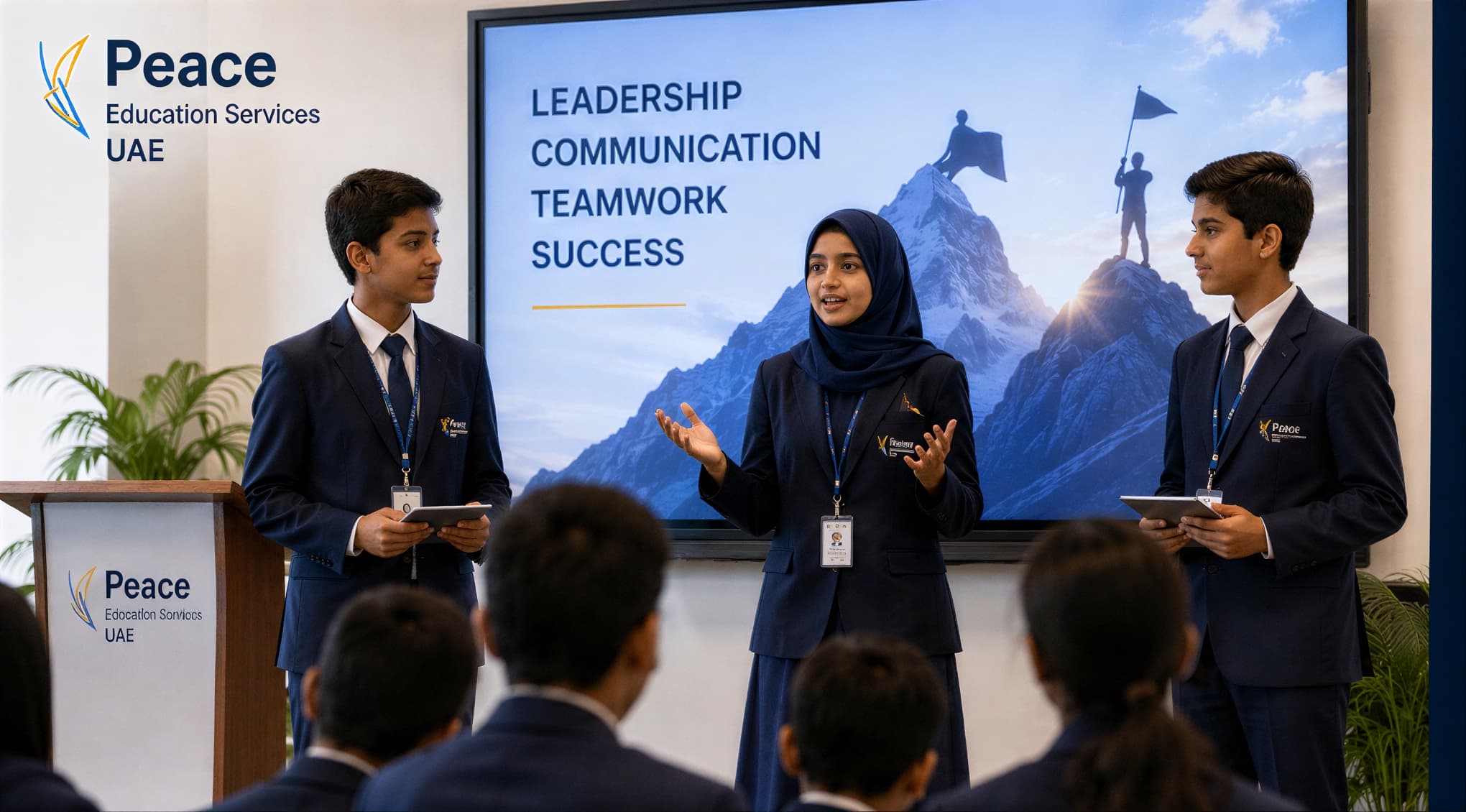
Speaking, listening, presenting and debating, taught in a sequence from primary to senior with real audiences to speak to.
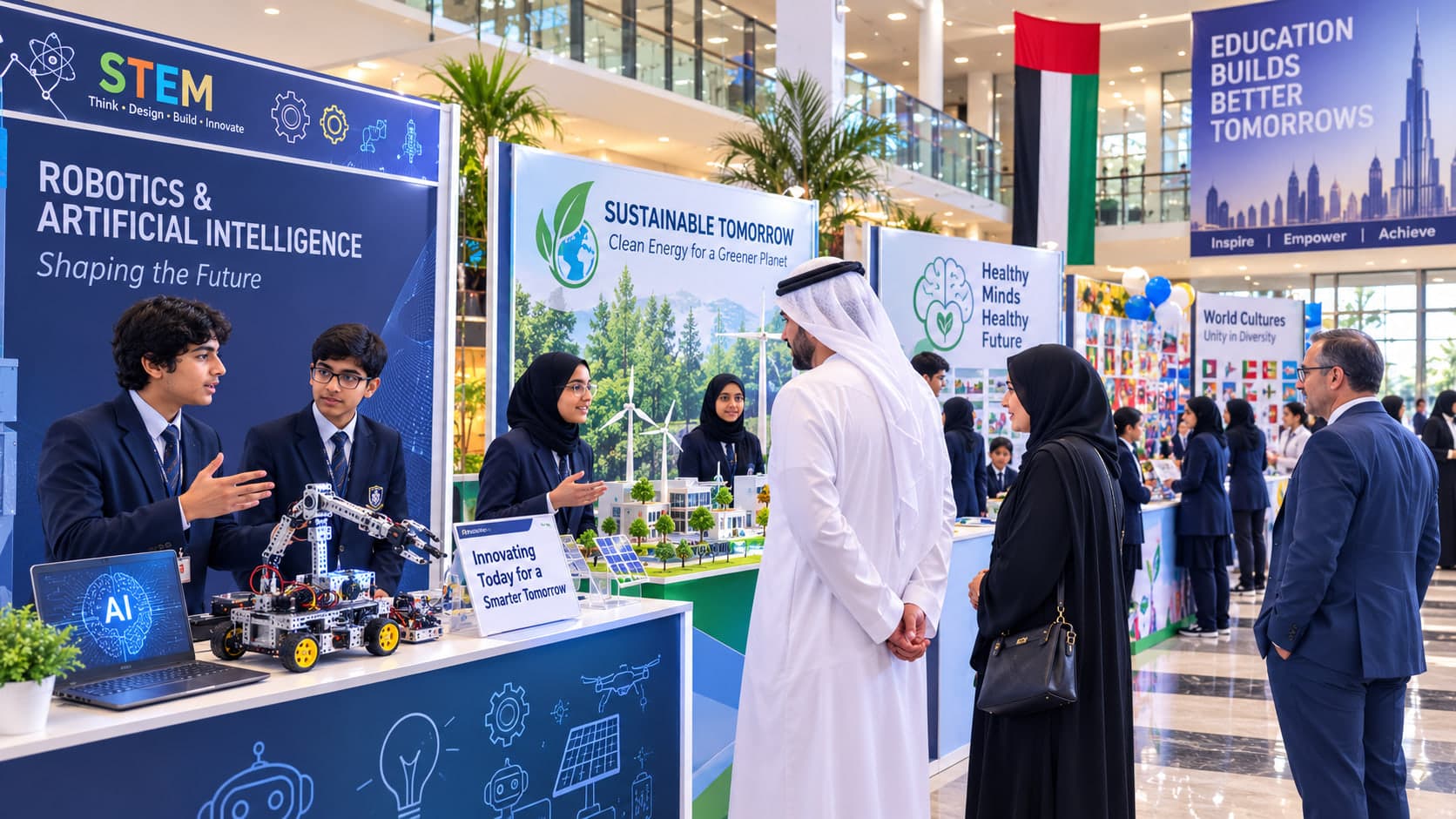
A school is judged on results and remembered for whether its students could speak, lead and decide. These programmes are for the second one.
Student programmes
The service
Communication, leadership and personal development are the parts of a school's promise that most often exist only in the prospectus. They are also, as it happens, the parts parents talk about at the gate. Making them real requires the same thing as any other curriculum: a sequence, a person responsible, timetabled time, and a way of seeing whether it worked.
We design and run programmes that sit inside the school week rather than beside it — assemblies, tutor time, activity blocks and dedicated sessions — and we build them so your own staff can run them in the second year without us.
Coverage
Seven strands of work, each one explained and pictured. Take the whole of it, or the one strand your school is short on.
Speaking, listening, presenting and debating, taught in a sequence from primary to senior with real audiences to speak to.
Student council, house leadership, prefect and peer-mentoring structures with genuine responsibility rather than a badge.

Confidence, self-presentation, resilience and self-management, delivered as practised behaviour rather than as a motivational talk.
Subject choice, pathway and university guidance appropriate to the UAE and Indian systems, starting early enough to affect option choices.
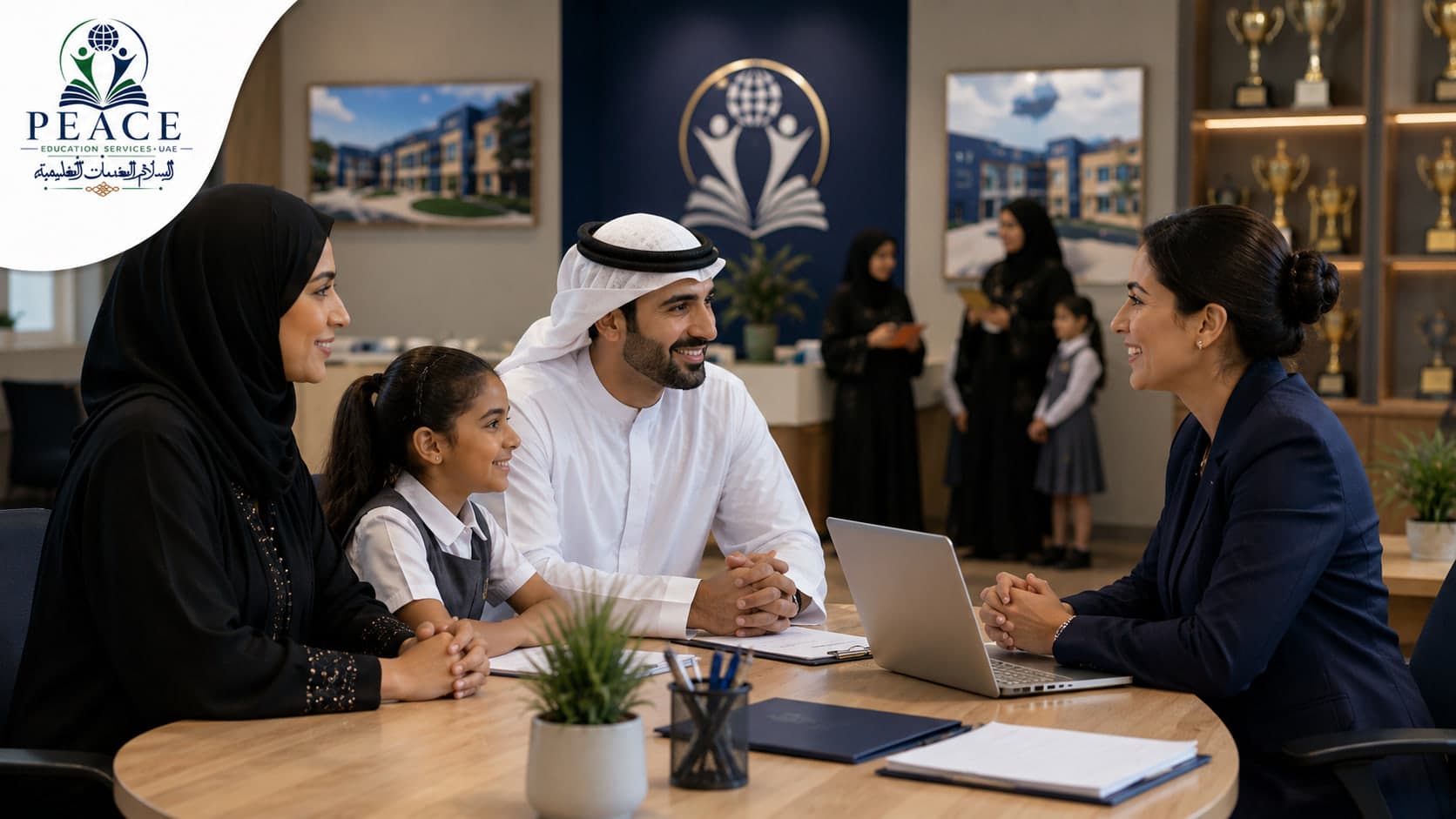
Financial literacy, digital citizenship, health, study skills and the practical competences a curriculum rarely finds room for.
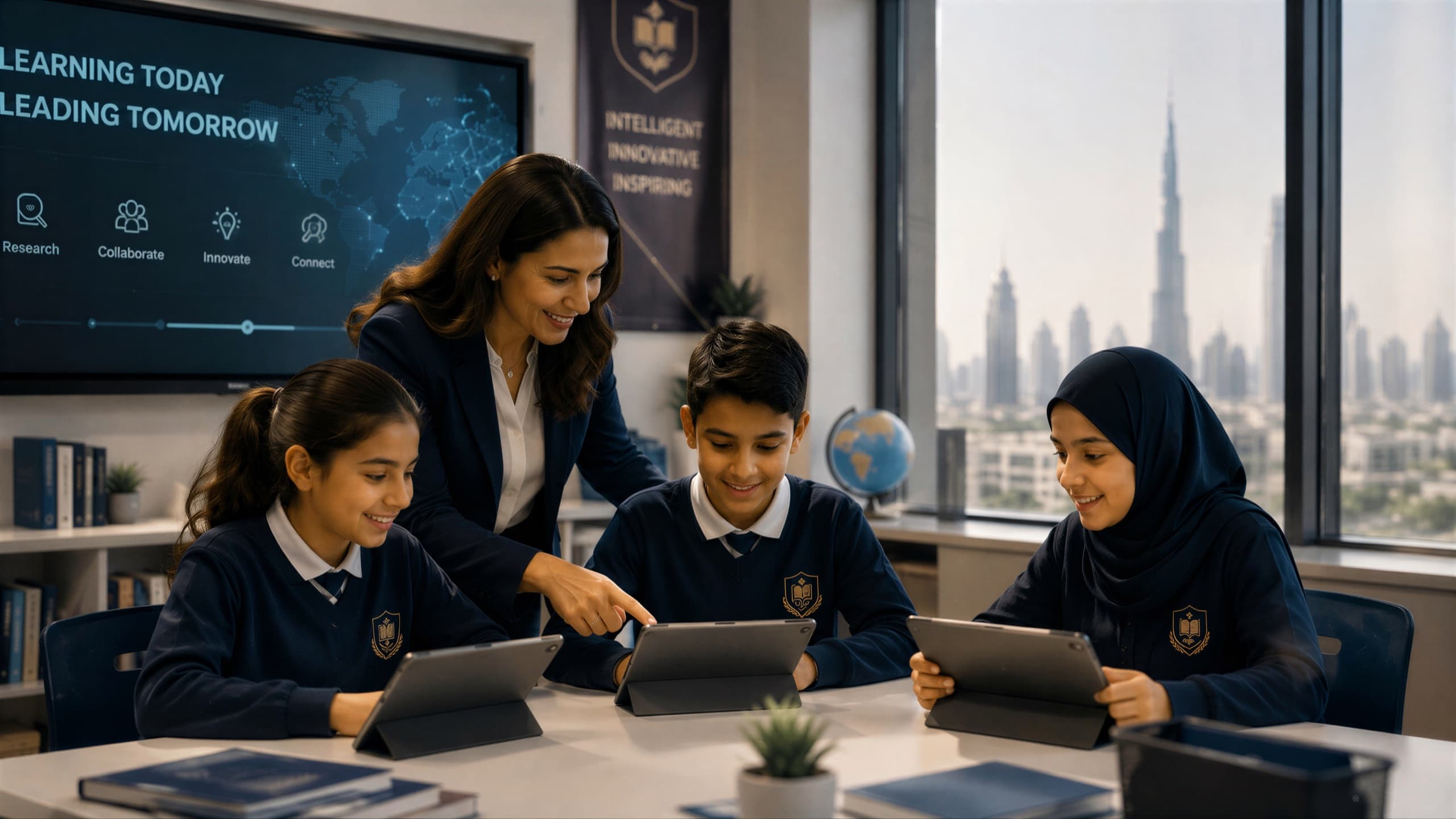
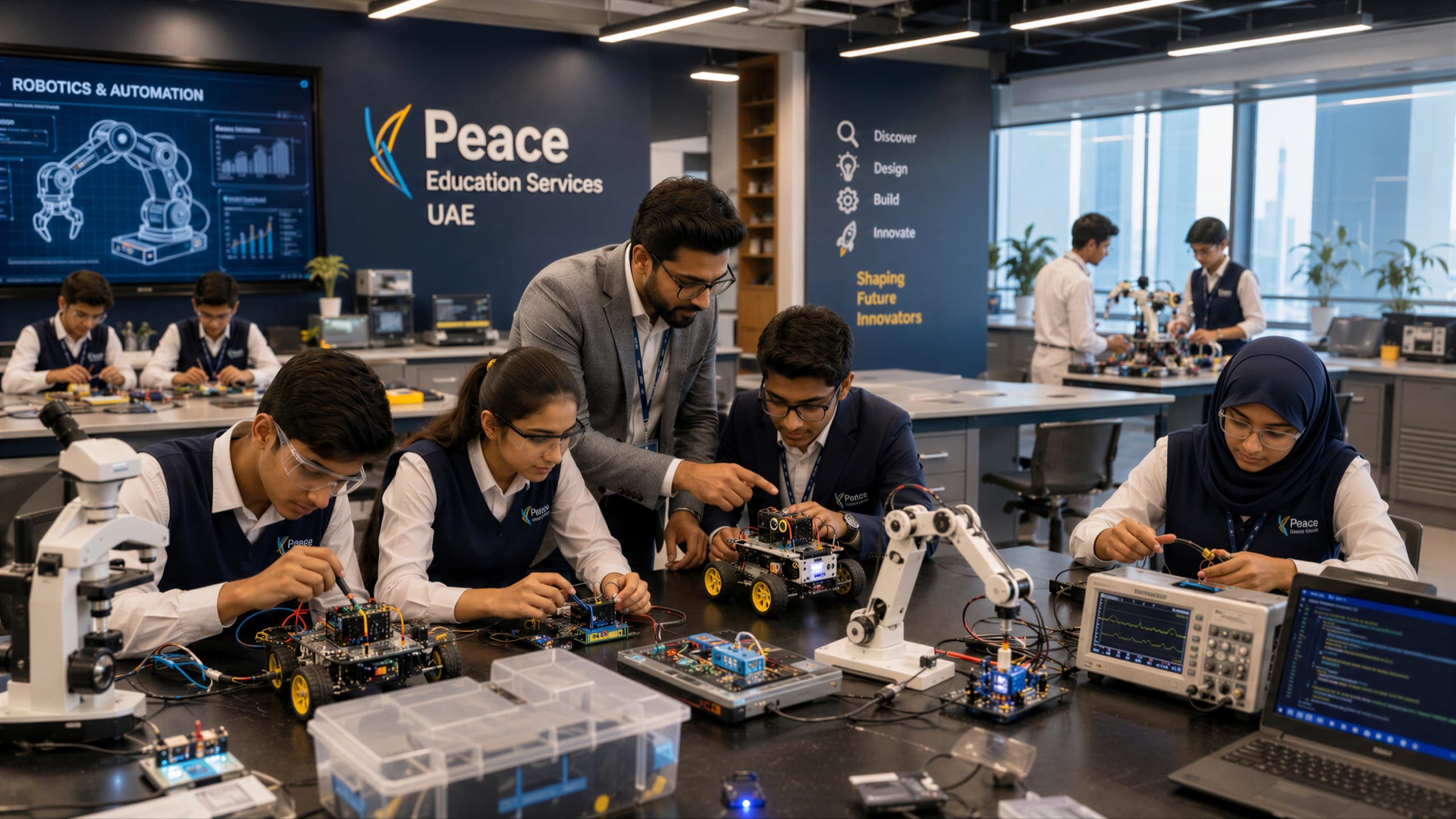
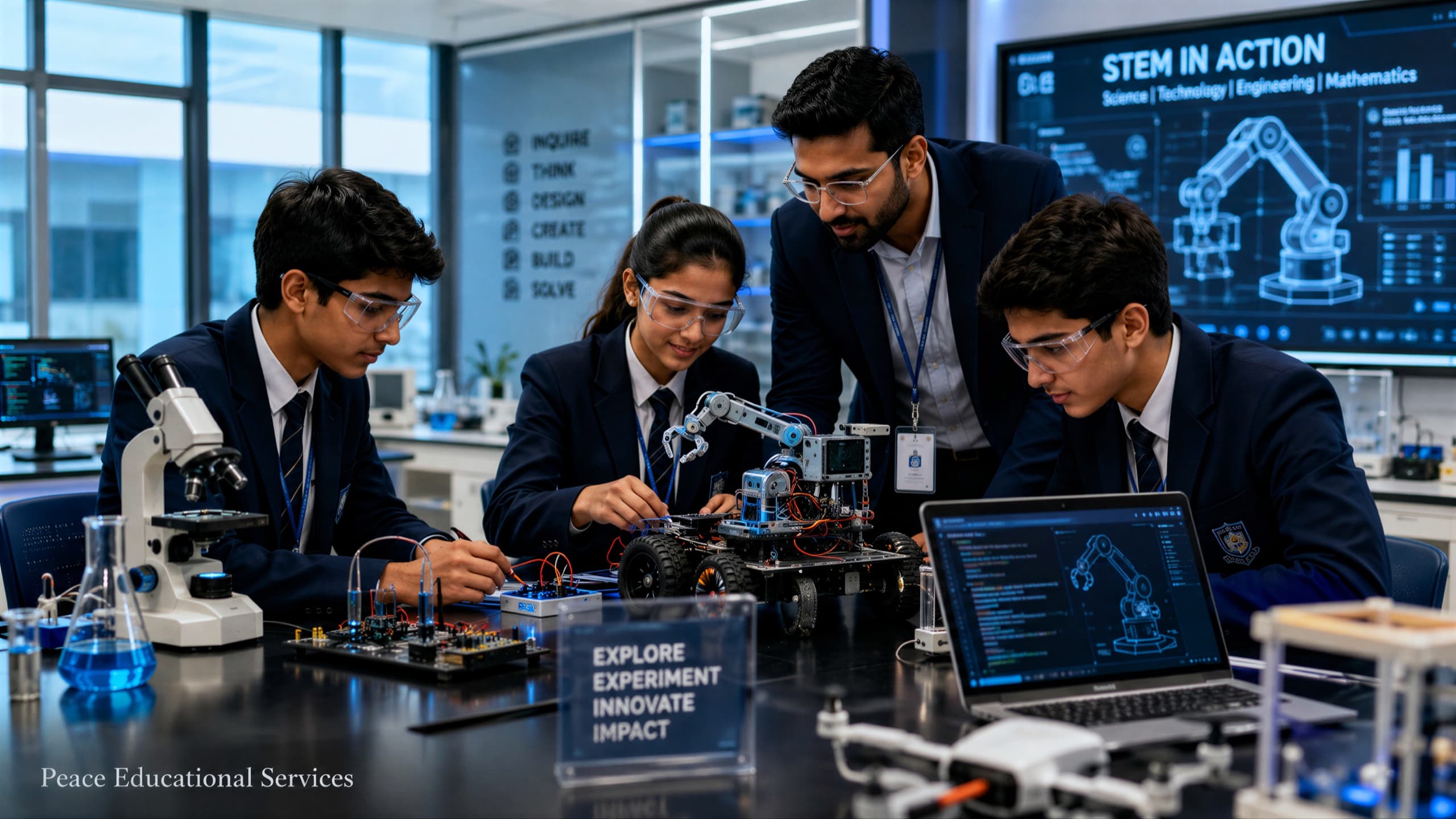
Design thinking, enterprise and project work where students make something and are held to a real standard on it.
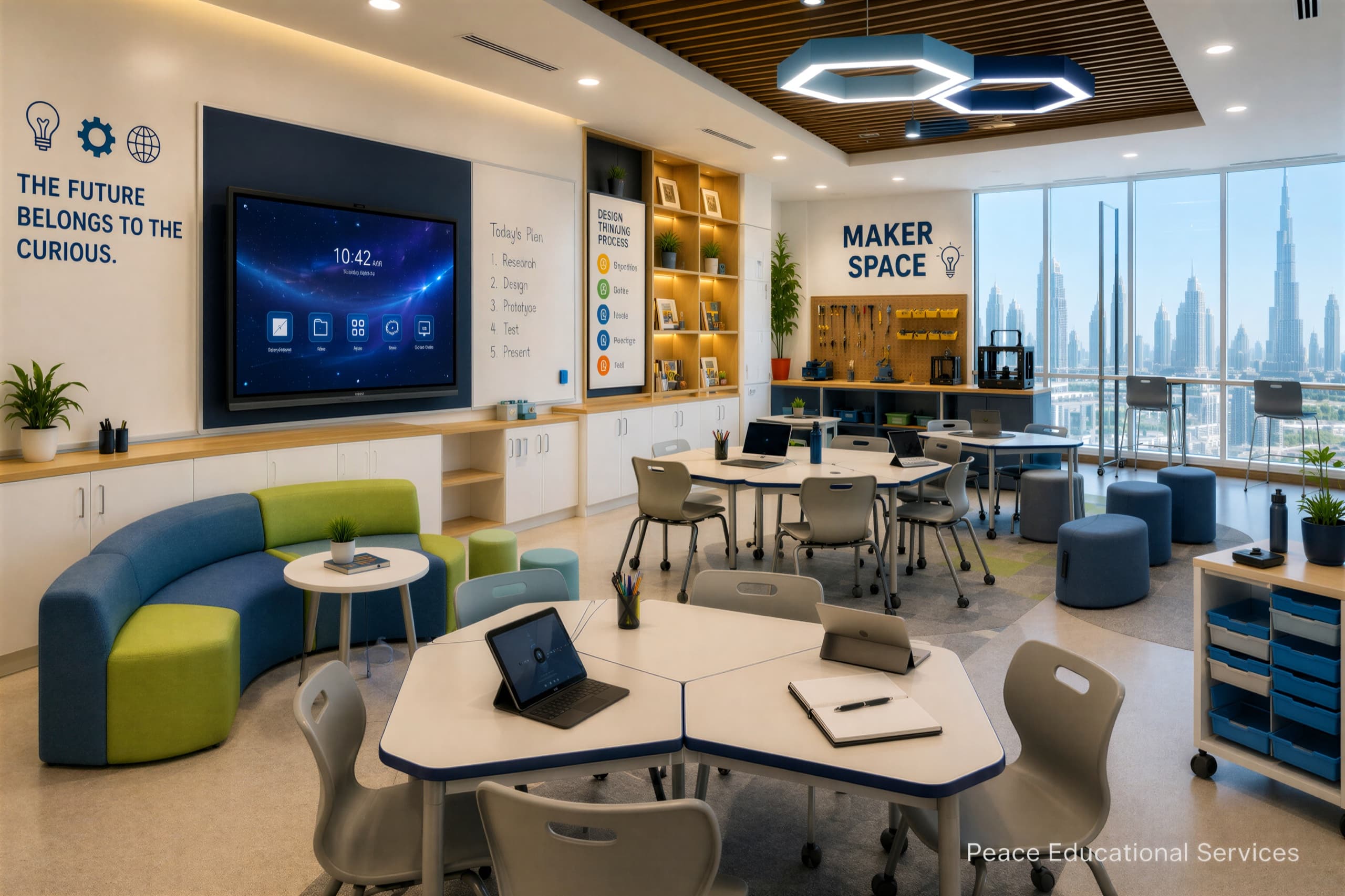
Clubs, competitions, exhibitions and events, planned across the year as a programme rather than assembled from whoever volunteers.
Deliverables
Deliverables, not intentions. Each of these is a thing that exists at the end of the engagement and can be pointed at.
What is taught to whom, when in the week, and by which member of staff.
Ready-to-run sessions your staff can deliver, not a set of aims you are left to interpret.
We run the first cycle with your staff alongside, so the second cycle does not need us.
What students can do at the end that they could not do at the start, evidenced rather than asserted.
Looking ahead
The skills this service teaches — speaking, leading, deciding — are the ones that need practice and honest feedback rather than a lecture. That is where we are pointing AI, with the adults still in the room.
A tool a student can practise a presentation or an interview with, and get specific feedback on structure, pace and clarity before facing an audience.
What that looks like
A quiet Year 9 rehearses a speech eleven times where nobody is watching, then gives it once where everybody is.
Interests and results read against the actual entry requirements of universities and employers in the UAE and India, turned into options a family can discuss.
What that looks like
A shortlist that names the grades each route needs, rather than a personality type.
Sport, service, competitions and leadership roles kept as a portfolio through the school rather than reconstructed in the final year.
What that looks like
A one-page record of four years of activity, ready for an application form.
In development, and labelled that way deliberately. Ask where each of these stands when you enquire — we will tell you what is running, what is being built and what is still on the bench.
The route
The same five stations every project travels, applied to student programmes.
You tell us the age groups and what you want students to be able to do — speak in public, lead a team, choose a pathway.
A costed programme with the timetable slot it needs and the staff time it will use, stated honestly up front.
Session plans and materials come to you in draft for your pastoral leaders to mark up.
The first cycle runs with your staff alongside us, so the capability stays in the building.
A review of what changed, then handover of the materials and the training to run it yourselves.
Questions
Usually inside tutor time, assemblies and an activity block, not as an extra period. If the honest answer is that there is no room, we will say so and propose what to stop doing.
Primary through senior, with a different sequence for each phase. Leadership at nine and leadership at sixteen are not the same programme.
No, and you should be suspicious of anyone who offers to. The design goal is that your own staff run it from the second cycle.
Pairs well with
Teaching that keeps improving after the appointment letter.
OpenBringing families into the school rather than reporting to them.
OpenFrom establishing a school to raising the standard of one already running.
OpenStart the conversation
Whether that is thirty teachers, one laboratory, or a building that opens in September, the first conversation is the same.
Start an enquiry